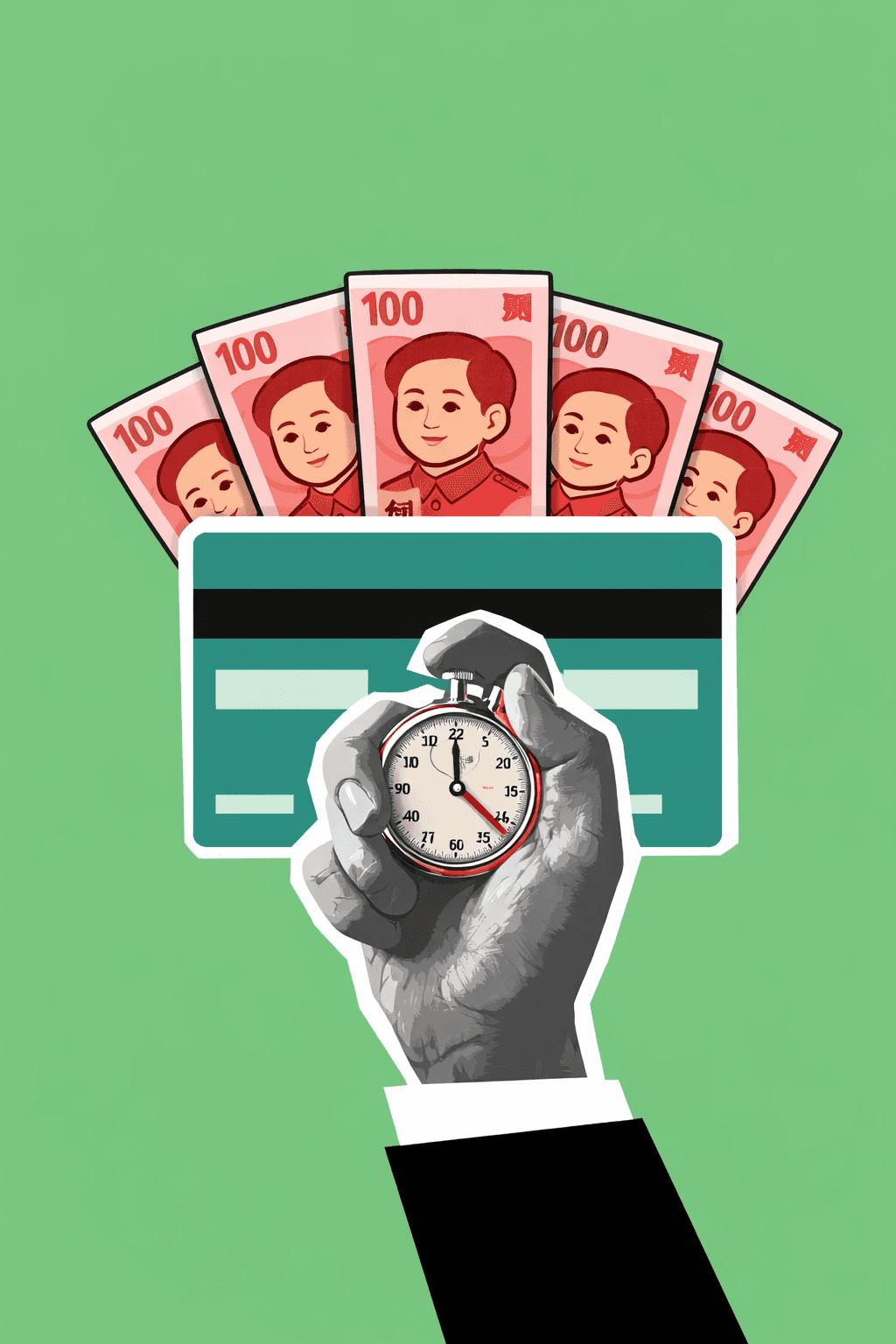
Is Your Brand Trapped in China’s Price War? Here’s the 2026 Escape Plan.
When every local competitor is slashing prices, your brand’s survival depends on price discipline. Here is the 2026 playbook for escaping the Neijuan trap.
1. Leverage the "Anti-Involution" Regulations
For the first time, the Chinese government is on the side of brand margins. New 2026 regulations (from the SAMR and CAC) prohibit platforms like Tmall and Pinduoduo from:
Forcing "Refund-Only" policies that bypass merchant rights.
Algorithmic Punishment: You can no longer be "de-ranked" in search results simply because you refuse to offer the lowest price in the market.
Forced Subsidies: Platforms are now banned from coercing brands into participation in loss-making "Mega-Holiday" discounts.
Action: Use these legal "red lines" to negotiate your partnership terms. If a platform pressures you to sell below cost, you now have the regulatory grounds to push back.
2. Pivot from "Status" to "Wellness & Meaning"
In 2026, Chinese consumers have shifted from conspicuous consumption (buying to show off) to Yueji (悦己 - buying to please oneself).
The Wellness Moat: 81% of consumers now cite "Product Safety" and "Health" as the top reasons to pay a premium.
Content Strategy: Don't market your product’s features; market its contribution to "Daily Rituals" or "Mental Restoration." High-end consumers are justifying luxury spend as "stress relief" rather than status.
3. Segment by Platform "Distance"
To avoid a price war, you must ensure your prices aren't compared side-by-side in a "commodity" environment.
Platform | 2026 Strategy | Pricing Role |
Xiaohongshu (RED) | The "Trust Anchor" | Full MSRP. Focus on "seeding" reviews. This is where you justify the cost. |
Douyin | The "Entertainment Store" | Value Bundles. Instead of a 20% discount, offer a "2026 Limited Edition Gift Set" that adds perceived value without dropping the price. |
Tmall Flagship | The "Official Registry" | Membership Only. Use "Private Traffic" coupons so your public "Shelf Price" remains high, protecting your global brand equity. |
4. Deploy "Human" Authenticity Against AI-Commoditization
As AI-driven commerce makes everything feel transactional and "perfect," a counter-movement for Human Authenticity has emerged.
The "Maker" Narrative: Use videos showing the craftsmanship, the origin of ingredients, or the "face" behind the brand.
Hyper-Personalization: Use your CRM data to offer "Surprise & Delight" moments for your top 5% of customers. In 2026, a handwritten note or an exclusive invitation to a "Brand Day" event earns more loyalty than a 10% discount ever will.
5. Use AI to Cut Costs, Not Prices
The mistake most brands make is using AI to lower prices to compete with local players. Instead, use AI to widen your profit margin.
AI Digital Concierges: Use 24/7 AI livestream hosts to maintain your "Store Health" metrics on Douyin without the $10k/month cost of a human agency team.
Inventory Precision: Use predictive analytics to ensure you never have a "Stockout" during a peak event, preventing the desperate liquidation sales that trigger price wars.
Conclusion: Don't Compete on "More," Compete on "Relevance"
The brands winning in 2026 aren't the ones with the most traffic; they are the ones most relevant to a specific tribe’s lifestyle. By leveraging new regulations and doubling down on emotional value, you can stay profitable while your competitors "involute" themselves out of existence.