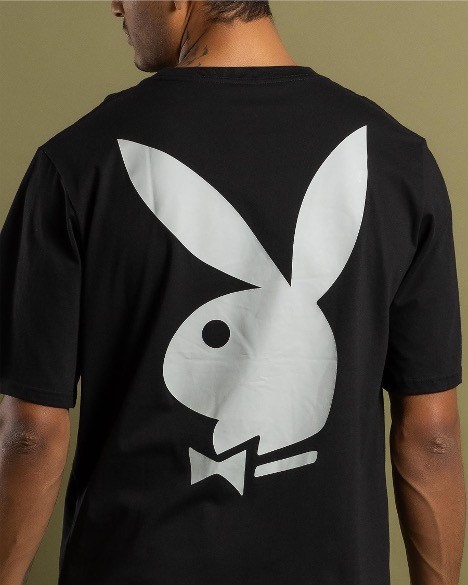
From “Golden Goose” to “Rescue Mission”: Why Playboy Just Handed the Keys to Its China Empire for $122 Million
The iconic Bunny is getting a massive makeover. Here’s why the age of "lazy licensing" is officially dead.
There was a time in the 90s when wearing that little rabbit head silhouette wasn't just a fashion choice in China - it was a flex. It was what ad men called "hard currency for returning home in glory."
But if you live by the license, you die by the license.
On February 9, 2026, the 30-year chess match for Playboy’s soul in China hit checkmate. The parent company, PLBY Group, announced a massive shakeup: they are selling 50% of their China business to the UTG Group for $122 million.
This isn't just a sale; it’s a surrender of operations. The former "exclusive licensee" is now the "boss."
Here’s the deep dive on the deal, the drama, and why this signals a massive shift for global brands in China.
The 122 Million Dollar Breakdown
This isn't a simple handshake deal. The financial architecture here is fascinatingly specific. According to the agreement, that $122 million is split into three specific buckets:
$45 Million: The actual price for the 50% equity stake (paid over two years).
$67 Million: A guaranteed minimum dividend payout over the next eight years.
$10 Million: Dedicated "brand support" funding for the next three years.
The Status Update: UTG has already dropped a $9M deposit, with the deal set to close by March 31.
The Vibe Shift: Previously, UTG was just the "manager" (the exclusive master licensee). Now, they are the "owner." UTG takes over product development, sales channels, and operations in mainland China, Hong Kong, and Macau. PLBY Group sits back, retains 50% ownership, and waits for the checks to clear.
The Market Reaction: Wall Street loved the "asset-light" approach. PLBY Group’s stock surged 16.98% the next day. Cash flow is up, debt is down. Classic corporate playbook.
The "Wild Growth" Trap: How the Bunny Lost Its Cool
To understand this deal, you have to look at the wreckage.
Playboy entered China in the 90s. It was the golden era of Western brands. The strategy was simple: License everything. Men’s wear, women’s wear, underwear, luggage, shoes.
At its peak in 2021, the China market generated 27% of the group's total revenue - second only to the US - with over 3,500 stores.
But here is the "Brand Death Spiral":
Dilution: The "low investment, high margin" model meant subcontracting the brand to dozens of unrelated factories.
The Race to the Bottom: Licensees cut costs to compete, destroying quality.
The Identity Crisis: E-commerce became flooded with "Gold Label Playboy" and "Supreme Playboy." Consumers couldn't tell the real deal from the knockoffs.
The Breaking Point: In 2023, mega-influencer Sinba publicly roasted Playboy underwear on a livestream, calling it a "squatter trademark" and refusing to sell it. The secret was out: The Bunny had become indistinguishable from a counterfeit.
By the 2024 fiscal year, China’s revenue share had cliff-dived from 27% to just 9.51%.
Who is UTG? Meet the "Brand Doctors"
UTG (Universal Text Group) isn't new to this rodeo. They are the Shanghai-based fixers who specialize in "rehabilitating aging international brands."
The Portfolio: They manage the China operations for Jeep, Alpina, and Roberta di Camerino.
The Track Record: They were involved in the 2008 acquisition of Pierre Cardin, giving them a masterclass in how to save a brand that has been licensed to death.
The Strategy: Unlike PLBY Group, which just wants to fix its balance sheet, UTG wants to fix the market. Moving from "agent" to "shareholder" gives them the power to:
Purge the system: Cut off low-quality sub-licensees.
Unify the look: Enforce strict product standards.
Kill the fakes: Aggressively target IP infringement.
PLBY Group CEO Ben Kohn called it "meaningful investment." Translation: UTG is going to spend the money and do the dirty work that we couldn't do from America.
The Insight: What This Means for Your Brand
This isn't just about Playboy. It’s a case study for any international brand operating in Asia.
1. The "Remote Control" Era is Over: The days of running a China business from a boardroom in New York or Los Angeles are finished. You cannot navigate the complexities of Chinese e-commerce, livestreaming, and supply chains via Zoom. PLBY admitting they need a local partner to own the ops - not just rent the name - is a massive admission of reality.
2. Licensing vs. Brand Building: Playboy (and Pierre Cardin before it) proved that pure licensing is a sugar rush. It gives you quick cash but rots your teeth (brand equity) eventually.
Old Model: Sell the logo, count the cash.
New Model: Joint Ventures. You need skin in the game to ensure the product doesn't turn into garbage.
3. The "Scarcity" Reset: UTG’s challenge is massive. They have to take a brand that is everywhere (and therefore nowhere) and make it "scarce" again. Rebuilding premium value after you’ve spent a decade in the bargain bin is the hardest maneuver in retail.
The Final Word
The Playboy bunny is 73 years old. While its paper magazine just relaunched in the US after a five-year hiatus, the real battle for its survival isn't happening on a newsstand in Chicago. It’s happening in a boardroom in Shanghai.
The printing press has moved. Let’s see if the new owners can fix the ink.

