China's 3.15: Lululemon, LV Caught in Fashion Quality Crisis
Every year on March 15, China holds its Consumer Rights Day (3.15, or San Yi Wu). Think of it as Black Friday... but instead of buying things, 1.4 billion people collectively roast the brands that ripped them off.
This year's theme from the China Consumers Association? "提升消费品质" - Elevate Consumption Quality. And the fashion industry got absolutely wrecked.
What Happened
Let's start with the headlines that made Chinese social media explode.
Lululemon - Three strikes in two months:
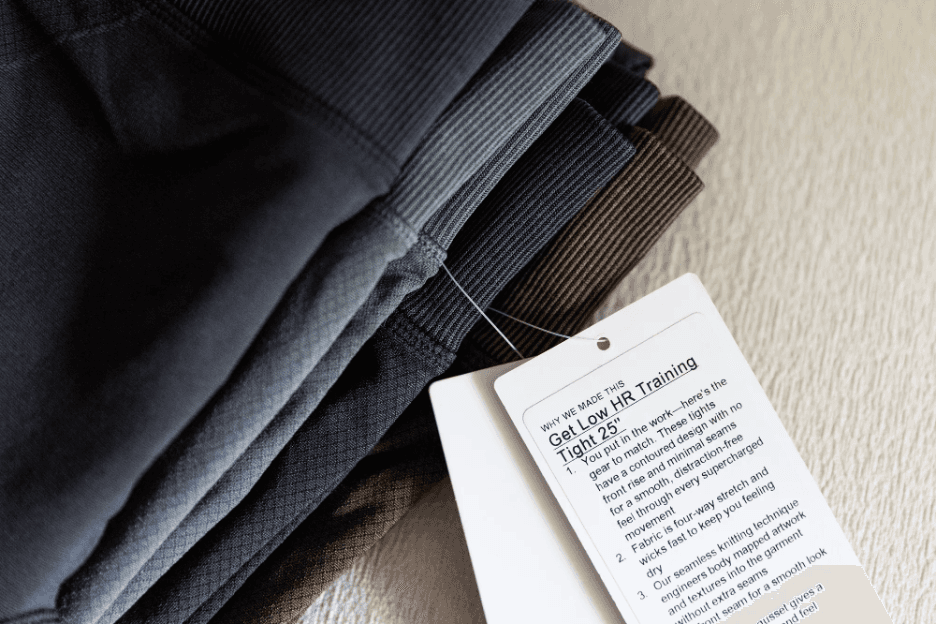
Strike one. January 23. Their "Get Low" series yoga pants turned out to be... transparent. As in, squat down and everyone sees everything (一蹲就透). The product got yanked from online platforms, then quietly relaunched three days later with a new recommendation: buy a bigger size and wear skin-tone seamless underwear underneath. That's not a fix. That's a workaround.
Strike two. February 25. A consumer in Xi'an bought a 1,080 RMB long-sleeve jacket. Pilled heavily after one single wear. The store's response? "Pilling is normal for this fabric. It's not a quality issue." They offered a style swap but refused a refund.
Strike three. A consumer in Jinan spent 980 RMB on scuba wide-leg pants. After one wash, they shrank so badly they turned from wide-leg pants into cropped straight-leg pants. The store refused a refund, removed the customer from the WeChat group, and the sales staff went unreachable.
Louis Vuitton - Don't sweat in our clothes:
A Hangzhou consumer bought a down jacket from LV at the Hubin in77 store. The jacket started bleeding color after the wearer... sweated. LV's actual response: "Our clothes cannot be worn while sweating or getting wet. Perspiration causes fading."
Read that again. A luxury brand told a customer their jacket can't handle sweat.
China Lilang - Leather that peels in 8 days:
A Xi'an consumer bought a 3,400 RMB leather jacket (discounted to 2,621 RMB). After 8 days of normal wear: surface color loss, leather peeling, cuff cracking. The store blamed "human error" and refused a refund.
The Bigger Problem: High Price, Low Quality
These aren't isolated incidents. They're symptoms of a disease that's been spreading through fashion for years.
36kr's March 16 deep-dive into the fashion industry's 3.15 crisis nailed the diagnosis: brands are spending more on marketing and less on product. The data tells the story.
Lululemon has spent over 30% of revenue on sales and management expenses for eight consecutive years since 2014. That's your KOL partnerships, your celebrity endorsements (hello, Jia Ling), your Instagram-perfect store openings. The product budget? Getting squeezed.
And outsourcing is everywhere. Reports indicate that LV outsources 40-60% of production to external factories. Lululemon manufactures heavily in Vietnam and Cambodia to cut labor costs. When you're chasing margins at the factory level, quality control gets... flexible.
Why This Matters More in 2026
Chinese consumers are in a different mood right now. The days of buying a brand name and trusting the quality are over.
The 36kr report identified a clear shift: consumers now favor "real word-of-mouth" (真口碑) over brand halo. The "pingti" (平替) movement, finding cheaper alternatives that match or beat premium quality, is stronger than ever. Xiaohongshu search data shows "linen" searches up 79% year-over-year, with users diving deep into fabric content. "Gambiered silk" (香云纱) browsing is up 91%.
Translation: Chinese consumers are becoming fabric experts. They're checking wash labels, comparing fiber content, and calling out fakes. One Huxiu article from March 15 documented a consumer who bought a 500 RMB "linen" shirt on Taobao, only to find the Chinese label said "linen" while the English wash label said "polyester fiber." She filed complaints, threatened to sue, and won triple compensation (假一赔三) - 1,500 RMB. Took a month and 10+ phone calls. But she won.
This is the new Chinese consumer. Armed with knowledge, fueled by frustration, and backed by a government that just made "quality elevation" the national consumer protection theme.
The Real Lesson for Western Brands
Here's what most brand owners miss: 3.15 isn't just a one-day PR crisis. It's a signal of where consumer expectations are heading for the entire year.
When the China Consumers Association picks a theme, every media outlet, every regulator, every social platform pays attention. "Elevate Consumption Quality" means every quality complaint about your brand gets amplified. Every customer service failure gets screenshotted. Every "that's normal for our fabric" excuse gets ratio'd into oblivion.
And here's the painful part... you can't market your way out of a quality problem in China anymore. The same platforms that make your brand viral (Xiaohongshu, Douyin, Weibo) are the exact platforms where quality scandals spread fastest.
Your 3.15 Survival Checklist
If you sell anything in China, pin this to your wall:
Audit your supply chain now. If you don't know where your products are made and what QC processes exist, you're gambling.
Stop outsourcing your customer service response. "Pilling is normal" and "don't sweat in our jacket" are responses that end careers. Empower your China team to handle complaints with actual authority.
Check your labels. If your Chinese label says one fabric and your English label says another, you're handing consumers a legal weapon. They will use it.
Shift budget from marketing to product. Chinese consumers now research fabric composition before they buy. Your KOL campaign means nothing if the product pills on day one.
Monitor Xiaohongshu and Weibo daily, not just during 3.15. The complaints are already there. You just haven't been reading them.
Take the "pingti" threat seriously. If a 200 RMB domestic alternative matches your 1,000 RMB product in quality, your brand premium is borrowed time.
Every brand loves saying "we put quality first." But when a consumer squats in your yoga pants and the whole gym sees through them... your tagline doesn't matter anymore. Your product is your reputation. And in China, 1.4 billion people just got a government-backed reminder to hold you accountable.

