
China Just Picked Its Next Trillion-Yuan Winners. Most Brands Are Not Ready.
China just revealed where its next trillion-yuan consumption engines will come from. And spoiler alert: Most brands are busy chasing yesterday’s markets.
In a rare joint directive, six major government departments laid out a clear plan: by 2027, China will build three trillion-yuan consumer sectors and cultivate ten billion-yuan consumption hotspots. This isn’t just policy language. It’s an economic roadmap signaling where capital, innovation, supply chains, and consumer demand are heading next.
The Three Trillion-Yuan Sectors:
Elderly Care Products
Intelligent Connected Vehicles (ICV)
Consumer Electronics
The Ten Billion-Yuan Consumption Hotspots:
Infant & Child Products
Smart Wearables
Cosmetics
Fitness Equipment
Outdoor Gear
Pet Food & Supplies
Civilian Drones
Trendy Toys
Jewelry
Guochao (China-Chic) Apparel
Why These Three Sectors Are the Future Growth Engines
1. Demand Is Structural, Not Seasonal.
China is undergoing a major demographic and lifestyle reset.
The population aged 65+ has hit 220 million in 2024, now making up 15.6% of the country. As aging accelerates, spending power among seniors is catching up quickly.
China’s elderly care market exploded from 2.6 trillion yuan in 2014 to 5.4 trillion yuan in 2024, doubling in just ten years. And it’s still just getting started.
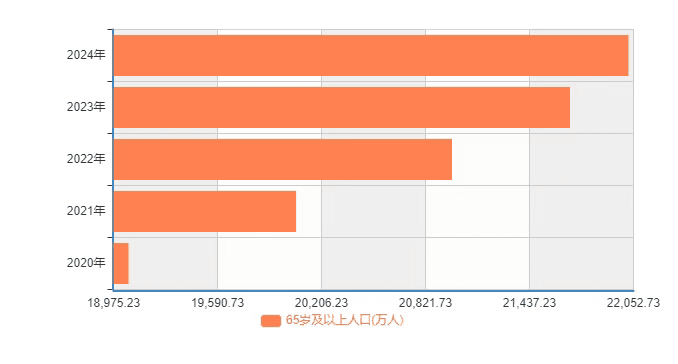
Meanwhile, middle-class households are upgrading their lives through smart mobility (ICVs) and consumer electronics, fueled by AI, digital convenience, and smart home ecosystems.
2. These Sectors Are National Strategic Priorities.
This isn’t just about selling products. It’s about building future industrial leadership.
China sees:
Elderly care as a societal and economic multiplier
ICVs as its chance to leapfrog traditional auto giants globally
Consumer electronics & AI hardware as the backbone of next-gen manufacturing
When a sector aligns with national strategy, policy support, infrastructure, talent pipelines, and capital follow. That’s how trillion-yuan industries are born.
3. Trickle-Down Impact Across Entire Supply Chains
Each of these sectors drives multiple adjacent industries:
Core Sector | Ripple Supply Chain Impact |
|---|---|
Elderly Care Products | Healthcare, rehabilitation, smart devices, real estate, services |
Intelligent Connected Vehicles | Batteries, chips, telecom, road infrastructure, robotics |
Consumer Electronics | Semiconductors, AI algorithms, displays, manufacturing, retail |
Tens of millions of jobs, hundreds of new product categories, and entirely new consumer behavior patterns will emerge.
Brands Need a Strategic Rethink
Most global and domestic brands are still obsessed with the same old battlegrounds: luxury, cosmetics, fashion, and lifestyle. But the biggest opportunities are quietly shifting toward:
✔ Aging consumers with strong purchasing power
✔ Smart mobility as a lifestyle upgrade
✔ Everyday tech as a personal identity marker
Product intelligence, lifestyle integration, and health-driven consumption are rewriting the playbook.
The Bottom Line
China isn't just stimulating consumption.
It’s engineering new trillion-yuan industries from the ground up.
The real winners won’t be the brands with the most marketing power. They will be the ones that understand where China is placing its long-term bets, and move now.
The trillion-yuan race has officially started.
Brands that stay reactive will watch it from the sidelines.

