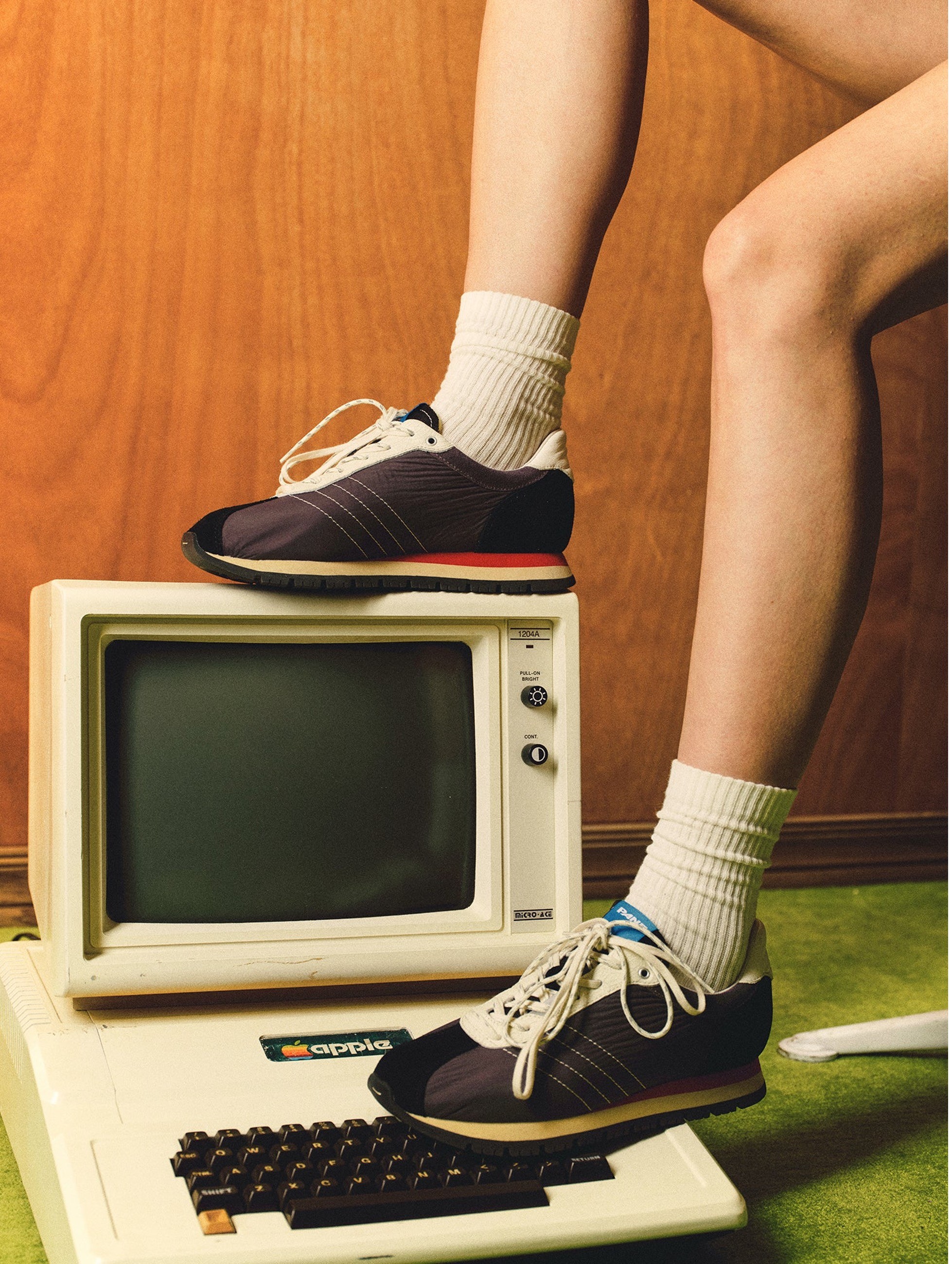
Move Over, Nike: Why This Shanghai-Based Brand Is The New Blueprint For Winning In China’s 2026 Retail Scene
If you’ve been watching the Chinese market lately, you know the vibe has shifted. The era of "loud," over-designed sneakers is facing serious aesthetic fatigue. Enter PANE: the brand that’s proving "quiet confidence" is the ultimate flex in 2026.
Wait, Who Is PANE?
PANE is a Chinese designer label that avoids the "high-performance" hype of Nike or the "ugly-chic" status of Balenciaga.
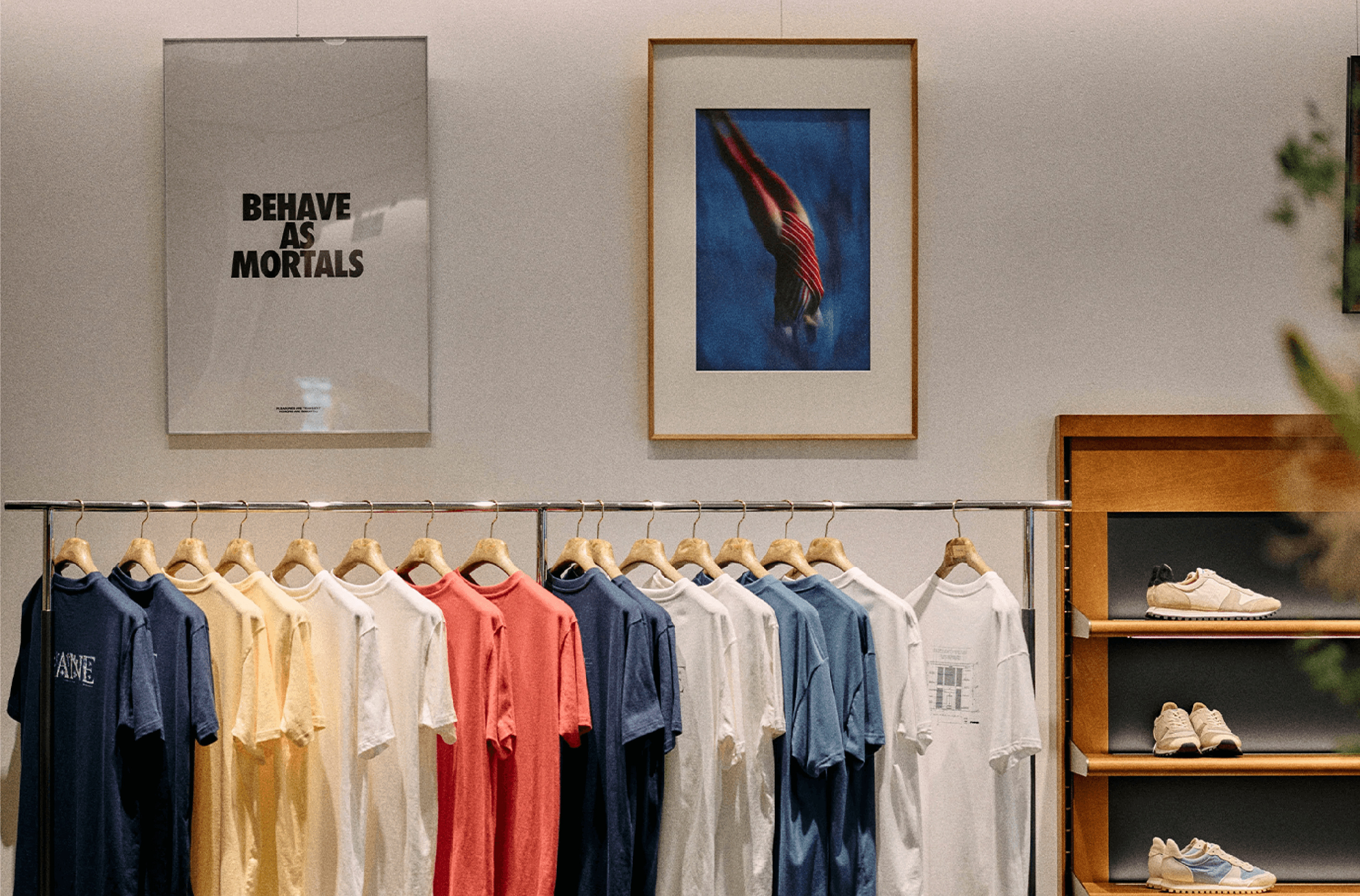
The Philosophy: Their slogan is "Behave as Mortals" (举止如常). It’s about being human, routine, and the simple act of walking.
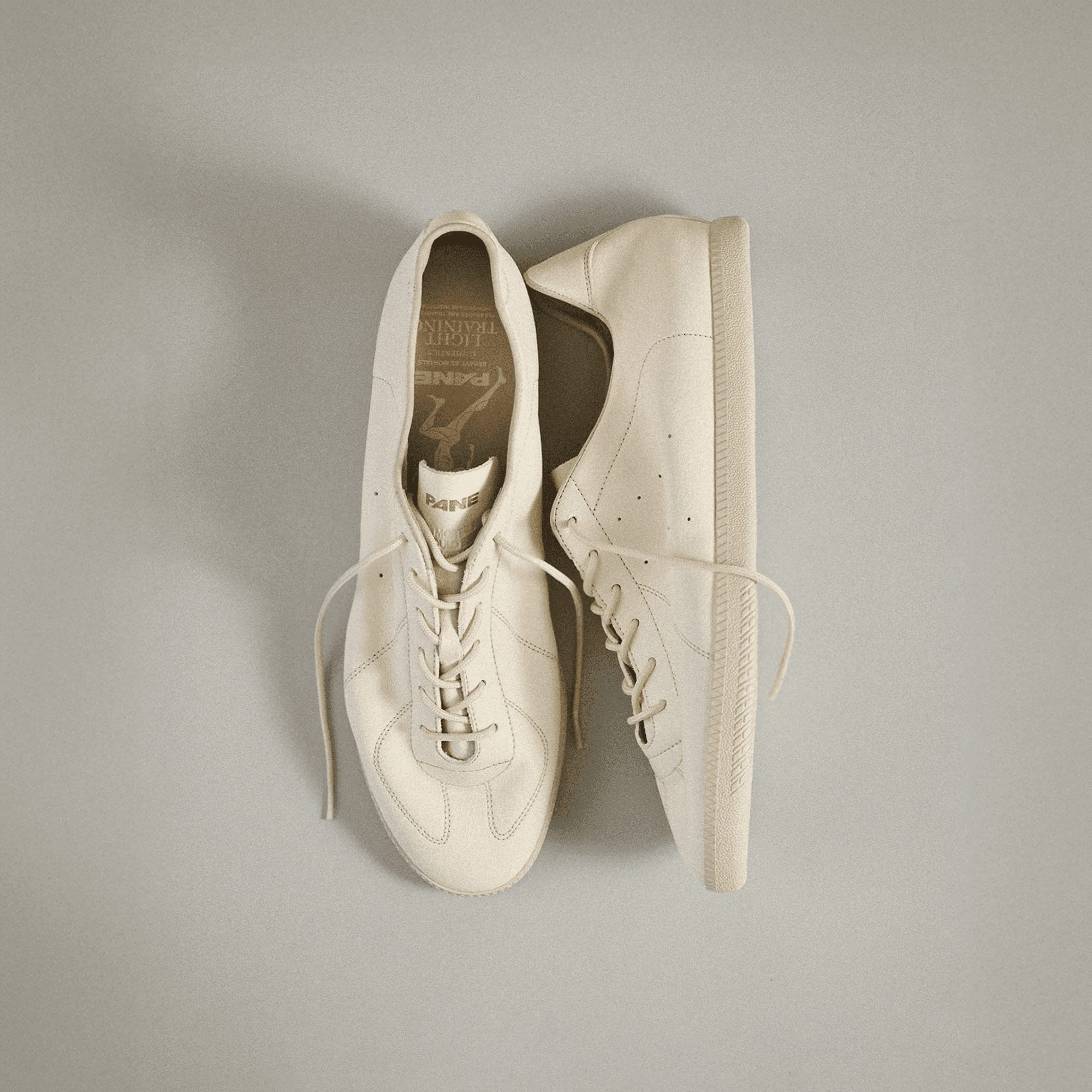
The Look: Imagine a 1970s Olympic runner met a minimalist architect. Their best-seller, the Light Training NO-GI, is a refined take on the classic German Army Trainer (GAT) minus the stiffness and plus a whole lot of soul.
The Vibe: It’s "Quiet Luxury" for people who actually want to be comfortable. Think natural cork midsoles, premium leather, and colors that sound like poetry.
Here is why this indie label is currently the "Main Character" of Chinese retail, and what global brands can learn from their meteoric rise.
1. They Nailed the "Behave as Mortals" Vibe
While other brands are trying to look like they’re from the year 3000, PANE’s slogan is "Behave as mortals." They’ve tapped into a deep desire for normalcy and everyday elegance. Their aesthetic is a love letter to the 1950s-70s… the "golden age" of running shoes - blending Greco-Roman classicism with modern minimalism.
The Lesson: In a post-hype world, relatability is the new aspirational.
2. Retail Isn't Just for Selling. It’s a "Living Room"
PANE doesn't just open shops; they create "Cultural Interfaces." Their new 50-square-meter spot in Shanghai’s TX Huaihai is designed as a "Mansion Living Room." Instead of racks of shoes, you find trophies, vintage statues, and open spaces where everyone - from influencers to tourists - is actually trying shoes on and hanging out. They’ve laid down a "chess board" of locations across China:
Shanghai (Yongyuan Rd): A neighborhood flagship that breathes with the street.
Beijing (Sanlitun): A "time-traveling" space using deconstructed stone.
Guangzhou (Aranya): A resort-style tea bar experience.
The Insight: For Gen Z in China, physical stores are for belonging, not just buying.
3. They’re Obsessed with "Inner Value" (Literally)
PANE isn't just a pretty face. They’ve swapped traditional chemical foam for natural cork midsoles (think: the comfort of a Birkenstock but in a sleek trainer). Their NO-GI series removes traditional linings for a "skin-to-leather" feel that handles both the morning commute and a relaxed night in.
4. Color Naming as High Art
Forget "Light Green" or "Pale Yellow." PANE names their colors:
"Willow Creek" (Lake Green)
"Wasp" (Bright Yellow)
"Artichoke" (Dusty Pink)
By using poetic, nature-based language, they turn a product choice into an emotional vibe-check. This "PANE-style" vocabulary builds a narrative that customers actually want to quote on social media.
5. Collabs That Actually Make Sense
PANE doesn't just slap a logo on another brand. From "Kitchen Killer" themes with STAFFONLY to "Baking Prints" with SND, their collaborations focus on specific lifestyle "slices" - coffee culture, football, or even the simple act of a hug. Their "Hug the Breeze" event, where couples printed arm patterns on each other’s shirts, became a viral moment for its genuine warmth.
The 2026 China Entry Playbook: From "Entering" to "Belonging"
The success of PANE proves that Chinese consumers are exhausted by the "newness" treadmill. They are looking for brands that feel stable, taste-led, and human. As the team at PANE puts it: "When people mention us, the first reaction shouldn't be a single 'hype' shoe, but a clear, complete brand picture."
For global brands, the message is simple: Stop trying to be the loudest in the room, and start being the most certain.
1. Sell the "Daily Proposal," Not the "Status Symbol"
In the past, brands sold "success." Today, Chinese consumers are looking for "emotional insurance", products that make their daily lives feel more stable, curated, and peaceful.
Action Item: Audit your brand's "Verb." Are you helping people conquer something, or are you helping them exist better?
The Move: Shift your marketing from "Peak Performance" to "Elevated Routine." Focus on how your product fits into a slow Sunday morning or a stressful commute.
2. Treat Retail as a "Cultural Interface" (The 50/50 Rule)
PANE proves that 50 square meters of "vibe" is better than 500 square meters of "racks." Your physical store shouldn't be a warehouse; it should be a narrative anchor.
Action Item: Apply the 50/50 Rule to your floor plan. 50% for product, 50% for "non-transactional" space (art, seating, coffee, or community "living rooms").
The Move: Don't just pick a mall based on foot traffic. Pick a "node" based on neighborhood breath. If you’re a minimalist brand, look for the "slow streets" (like Shanghai’s Yongyuan Rd) rather than just the flashiest mega-malls.
3. Move from "Translation" to "Cultural Archiving"
PANE’s social media account doesn’t just post product shots; it posts performance art, nature, and architecture. It feels like a mood board for a well-lived life.
Action Item: Stop "translating" global campaigns. Start a local content archive.
The Move: Hire a local Creative Director whose job isn't to sell products, but to document the aesthetic world your brand inhabits in China. Think of your Xiaohongshu (Red) feed as a digital gallery, not a catalog.
4. Optimize for the "Micro-Ritual"
The Chinese consumer in 2026 is obsessed with the "High-Satisfaction Unboxing." Every touchpoint, from the texture of the shopping bag to the color of the extra shoelaces, is a chance to build "Brand Certainty."
Action Item: Map out the "Post-Purchase Journey." What happens in the 10 minutes after the customer gets your product home?
The Move: Invest in "Legacy Packaging." Create boxes or bags that are too beautiful to throw away. If your packaging ends up as home decor on a customer's shelf, you’ve won.
5. Practice "Strategic Restraint"
PANE’s team talks about "stability" as the ultimate goal. In the hyper-fast Chinese market, the most "premium" thing a brand can do is not rush.
Action Item: Define your "No-Go" zones. What trends will you not follow? What influencers will you not work with?
The Move: Build a 3-Year "Slow Growth" Map. Instead of trying to be everywhere at once, dominate one specific subculture or one specific neighborhood street first. In 2026, exclusivity comes from consistency, not scarcity.

