From Hype to Habit. How Calvin Klein and Tommy Hilfiger Are Quietly Building Fashion Brands That Last in China
The fashion playbook is changing. For years, winning meant owning the moment. Get the buzziest campaign, the biggest celebrity, the most talked-about runway stunt. But according to Bain & Company’s June 2025 report, that game is losing momentum. The industry is entering a phase of rational growth, where speed alone no longer wins. Long-term brand equity, experiential innovation, and cultural relevance now matter more than viral impressions, and durability is outperforming flash.
McKinsey’s State of Fashion report goes further. Chinese consumers, once enamored with logos and status signaling, are shifting their loyalty toward brands that feel meaningful. They want relationships, not just recommendations. They are less persuaded by celebrity faces and far more interested in how a brand behaves, evolves, and shows up in their lives.
In this new reality, two American brands stand out for quietly building something deeper. Calvin Klein and Tommy Hilfiger are not chasing viral fame. They are building participation systems. They are designing models that turn brand attention into brand attachment, and one-off campaigns into repeatable experiences. Their strategies are not loud, but they are durable.
Calvin Klein. When a Campaign Becomes an Operating System
A decade ago, Calvin Klein launched #MyCalvins. It wasn’t just a good campaign. It was a cultural experiment. The brand stopped speaking to consumers and instead invited consumers to speak with the brand. Everyday users, celebrities, artists, and athletes began to co-create the Calvin Klein universe, turning the underwear selfie into a social language.
That move permanently changed how the brand operates. #MyCalvins evolved from a hashtag into a framework. It helped Calvin Klein build a content engine powered by both UGC and cultural storytelling. It gave the brand longevity in an environment where trends expire weekly.
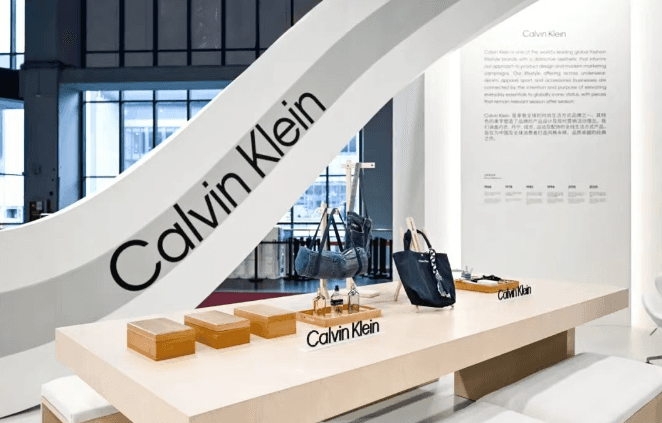
At the same time, Calvin Klein doubled down on clarity. Rather than flooding consumers with seasonal novelty, it bet on two long-term product pillars. Denim and underwear. Highly recognizable, endlessly repeatable, and emotionally consistent. These categories are not just revenue anchors. They are identity anchors. They define what the brand feels like.
Over time, the tonality shifted. Earlier campaigns were sensual and provocative. Today, they are more intimate, confident, and emotionally intelligent. Adelyn Cheong describes it well. The brand moved from trying to impress to trying to be understood. Every visual, every product, every offline touchpoint now reinforces that philosophy.
Tommy Hilfiger. Designing a Brand That Feels Like a Ritual
Tommy Hilfiger took a different path. If Calvin Klein builds resonance, Hilfiger builds rhythm.
In 2018, it launched TOMMYNOW and pioneered the See Now, Buy Now model. It wasn’t just a scheduling trick. It was a structural move. It collapsed the distance between inspiration and transaction. Runway was no longer just a spectacle, but a storefront.
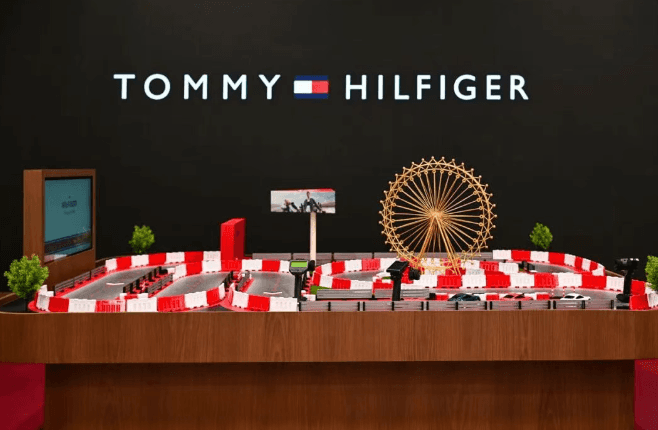
That shift paved the way for something more ambitious. The Hilfiger Racing Club. A global experiential concept powered by racing culture. Strategy, movement, velocity, and global style in one symbolic platform. Shanghai became the first stop. Not as a showcase, but as a laboratory for cultural localization.
The Racing Club was built to be modular. It connected events, in-store experiences, digital missions, customization walls, membership checkpoints, and content capture zones into a single cohesive system. It didn’t just create moments. It created participation loops. A structure that could travel while adapting.
Tommy Hilfiger is not building events. It is building architecture.
Two Brands. One Direction. Different Temperatures.
Both brands do something essential. They focus on core product categories as strategic anchors. They convert one-time cultural spikes into long-term capabilities. They manage brand-building less like a performance and more like an ecosystem.
Yet their methods diverge.
Calvin Klein builds depth. It invests in emotional storytelling, category clarity, consumer understanding, and visual intimacy. Its strength is value density.
Tommy Hilfiger builds frequency. It scales cultural participation, structures experiential rituals, and turns activations into replicable playbooks. Its strength is brand heat.
Depth and heat. Warmth and energy. They are both engines of staying power.
The Bigger Lesson
The future of fashion growth is not about who dominates the conversation. It is about who remains in the routine. The strongest brands are not the ones getting the most likes. They are the ones becoming habit. Integrated into consumers’ lifestyles. Recognized, yes. But more importantly, remembered, repeated, and returned to.
In other words, the age of hype is fading. The age of habit has begun.
And Calvin Klein and Tommy Hilfiger didn’t just see it coming. They built around it.

