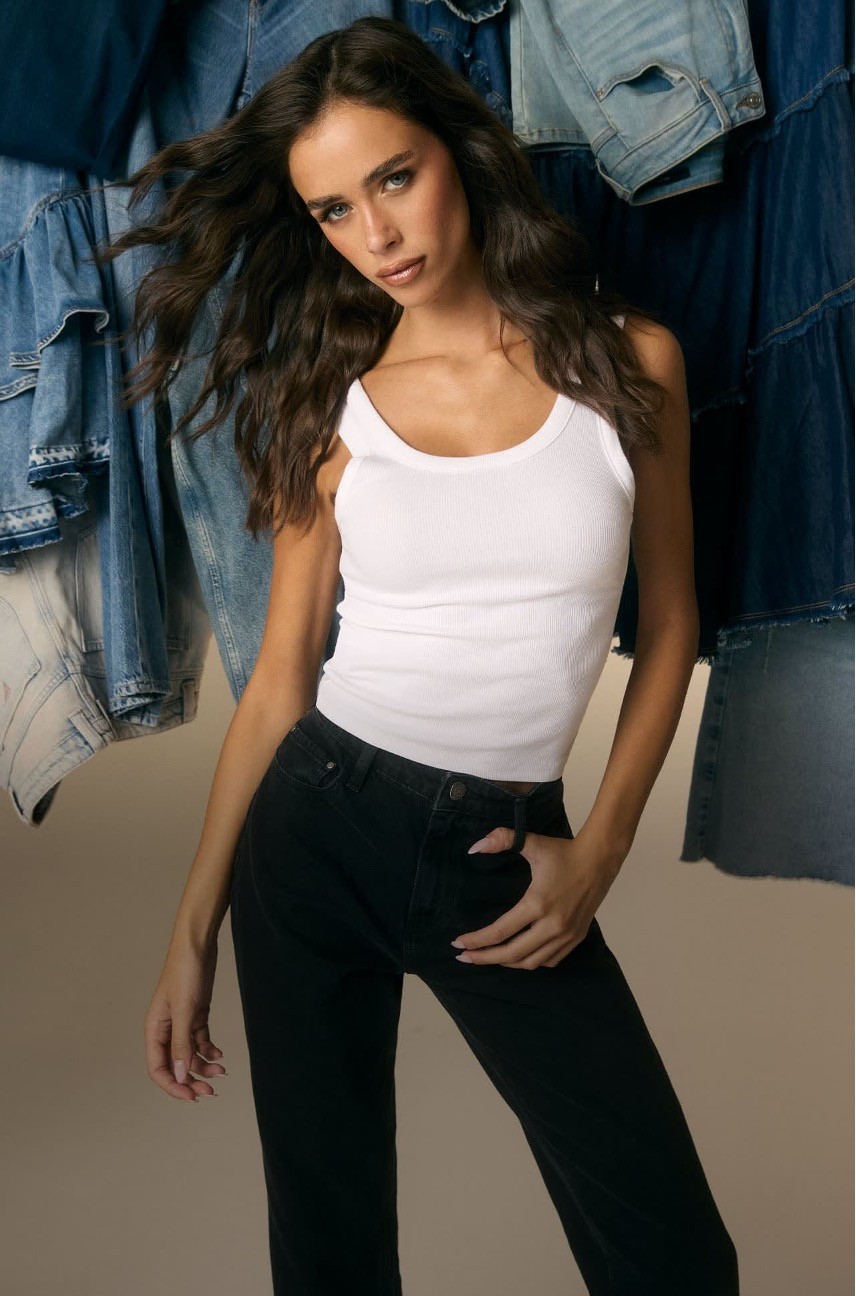
GUESS Closes All China Stores: The End of an Era in 2026
80% off. That's the number greeting shoppers at GUESS stores across mainland China right now. Not a seasonal sale. Not a promotional event. A liquidation. Every store, online and offline, gone by the end of March 2026. The Tmall flagship? Done next month. Two decades in China, and the final chapter is a clearance rack.
So what happened to the brand that once made denim feel like a lifestyle?
The Timeline of a Slow Fade
GUESS entered China riding the wave of American cool. Denim, body-conscious fits, overtly sensual campaigns. For a while, it worked. The brand carved out a space in the sub-600 yuan segment, positioned as accessible American fashion with just enough edge to feel aspirational.
But "accessible American fashion" stopped being a thing Chinese consumers cared about. And GUESS never figured out what to replace it with.
The financial picture tells the story. Parent company GUESS?, Inc. saw net earnings collapse 70% in FY25, dropping from $198.2 million to just $60.4 million. The company went private in January 2026 after Authentic Brands Group completed a $1.4 billion deal to acquire 51% of the brand's intellectual property, alongside CEO Carlos Alberini and founders Maurice and Paul Marciano.
Alberini himself acknowledged the writing on the wall during a company call: "After many years of running our own direct operations in Greater China, we believe there is an opportunity for this market to be directly developed and managed by a local, highly experienced partner."
Translation? We can't make this work ourselves anymore.
Squeezed From Both Ends
Here's the core problem GUESS never solved in China: it got stuck in no-man's land.
At the premium end, Chinese consumers moved on. The shoppers who might have considered GUESS ten years ago now gravitate toward designer labels, affordable luxury players like Sandro and Maje, or sportswear brands that signal taste without trying too hard. When your ceiling is 600 yuan and the consumer above you is shopping at 2,000 yuan brands, you're not competing for the same wallet.
At the mass end? Even worse. The sub-600 yuan segment in China is now a bloodbath. Fast-response domestic chains like UR and Peacebird can react to trends in weeks. Livestream-driven white-label products on Douyin and Taobao offer similar aesthetics at a fraction of the price. These competitors don't need a 20-year-old brand name. They have speed, algorithm-driven demand sensing, and zero legacy costs.
GUESS got caught in the middle. Too expensive to compete with domestic fast fashion. Too ordinary to compete with premium brands. And the brand identity that was supposed to differentiate it... actually made things worse.
The Aesthetic Problem Nobody Talks About
GUESS built its global identity on overt sensuality. Think Claudia Schiffer in the '90s. Anna Nicole Smith. The black-and-white campaigns that felt dangerous and glamorous.
That doesn't land in China in 2026.
Chinese consumer taste has shifted dramatically toward relaxed silhouettes, functionality, and understated basics. The "quiet luxury" wave that swept through global fashion hit China hard, and it collided with an existing cultural preference for more modest, clean aesthetics in everyday wear. Brands like Uniqlo, which offer zero sensuality and maximum practicality, have thrived. GUESS's body-conscious DNA became a liability, not an asset.
And rebranding is brutally hard when your visual identity IS the brand. GUESS couldn't pivot to minimalism without becoming unrecognizable. But staying "sexy American denim" meant watching your customer base shrink every season as tastes moved in the opposite direction.
The Authentic Brands Playbook
The timing of GUESS's China exit isn't random. It lands just weeks after Authentic Brands Group completed its privatization of the company.
If you're not familiar with Authentic's model, here's the short version: they buy brands, strip out direct retail operations, and license everything to regional partners. Capital-light. Asset-light. Their portfolio includes Reebok, Brooks Brothers, Forever 21, and a growing list of legacy names that were once household brands and now exist primarily as licensing vehicles.
For GUESS in China, this likely means one of two things. Either a local Chinese partner picks up the license and runs the brand with lower overhead and better local market instincts. Or GUESS simply goes quiet in China for a while, existing only as a name on a few e-commerce listings managed by a distributor.
Neither outcome looks like a triumphant comeback.
Alberini framed the transition as strategic. And from Authentic's perspective, it is. Why burn cash operating stores in a market where you're losing ground when you can collect licensing fees and let someone else take the risk? But from a brand-building perspective, handing over your China operations to a third party is an admission that you've lost the ability to tell your own story in the world's most competitive fashion market.
The Bigger Pattern
GUESS isn't alone. It's just the latest name on an increasingly long list of Western mid-tier fashion brands that China has chewed up and spit out.
Forever 21 came and went. Twice. Topshop never gained real traction. Gap has been in perpetual retreat mode. Old Navy pulled out entirely. The pattern is clear: Western brands positioned in the "affordable fashion" tier face an almost impossible competitive environment in China. Local players are faster, cheaper, and more culturally fluent. The only Western brands consistently winning are those at the very top of the luxury pyramid, or those with such a distinct functional identity (think The North Face, Salomon) that domestic alternatives can't easily replicate them.
GUESS had neither. It wasn't luxury. And denim, while iconic, isn't a functional category that commands loyalty the way outdoor performance gear does.
What This Means for Your Brand
If you're a Western brand sitting in the mid-tier fashion space and thinking about China, GUESS's exit should keep you up at night. Here's what to take away:
The "accessible American cool" positioning is dead in China. Chinese consumers don't need Western brands to feel fashionable anymore. If your brand story is built on national origin rather than product superiority, you have no moat.
The sub-1000 yuan segment is a knife fight. Domestic brands and livestream sellers have structural advantages you will never match, including speed, cost, and cultural fluency. If you can't price above them with a clear reason why, don't enter the ring.
Brand identity has to translate, not just transplant. GUESS's sensual aesthetic worked globally for decades. It never adapted to Chinese visual culture. Before you bring your brand to China, ask yourself: does my core visual identity resonate here, or am I just hoping it will?
Twenty years in China, and GUESS is going out at 80% off. That's not just a clearance sale... it's a case study in what happens when a brand refuses to evolve for the market that demands evolution the most.

