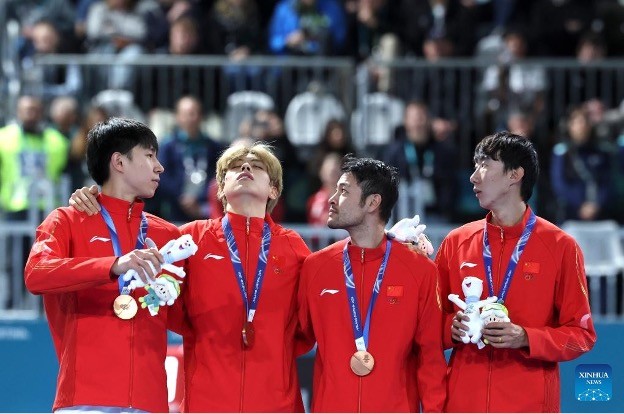
The Chinese Olympic team wore Li-Ning on the podium in Milan. Cameras everywhere. Gold medals. National pride. It was supposed to be Li-Ning's big moment.
They sold 16 outfits.
Not 16,000. Not 1,600. Sixteen. As in, you could fit every single buyer in a minivan with seats to spare.
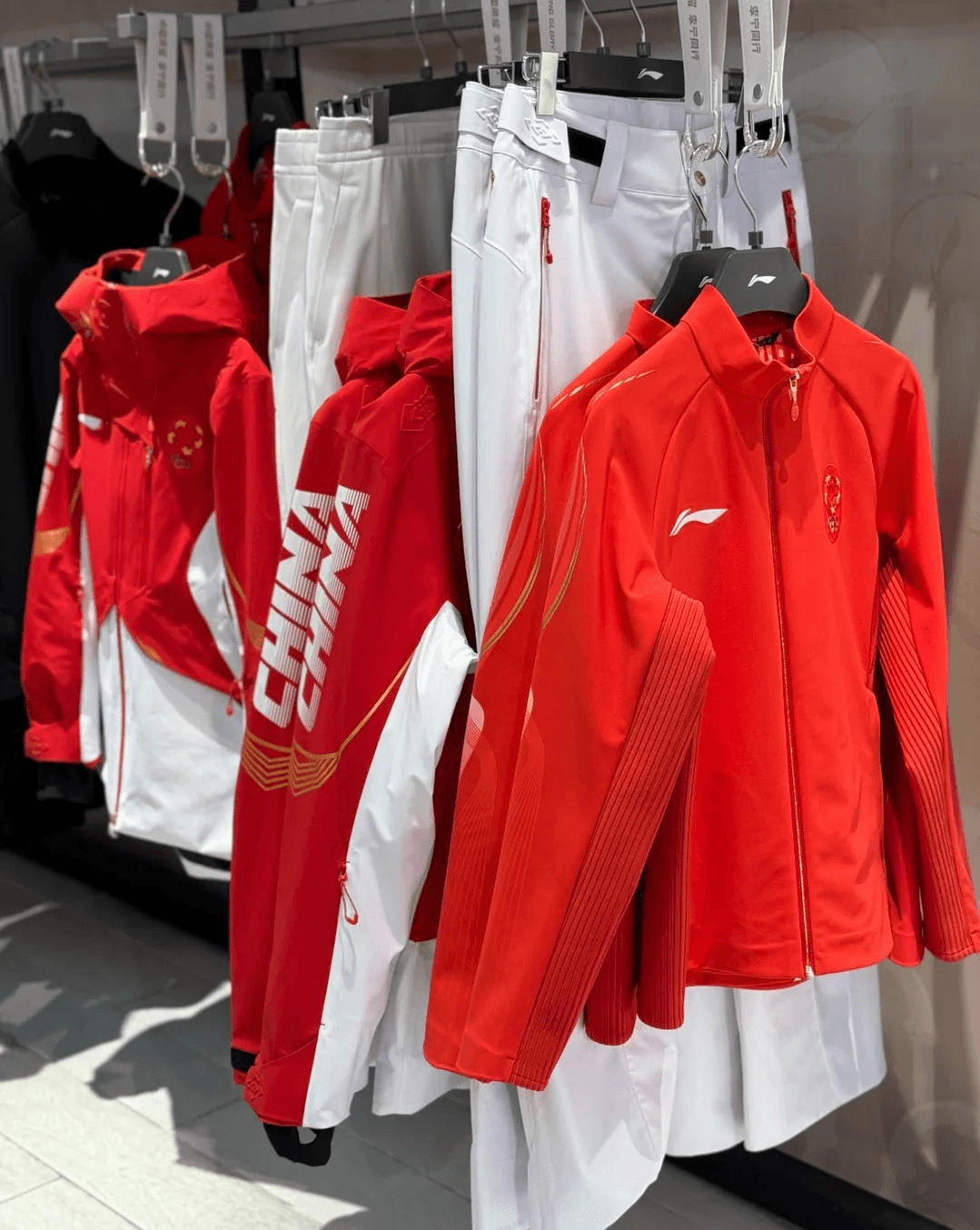
This isn't just a bad sales week... it's a blueprint of exactly what not to do when you're a brand trying to convert Olympic prestige into actual consumer demand.
What Actually Happened
Li-Ning is the official partner of the Chinese Olympic Committee. For Milan 2026, they designed the whole package - ceremony entrance outfits, medal ceremony apparel, medal shoes, you name it. On paper, this is a massive deal. Olympic sponsorships cost millions of RMB. The exposure is real.
The products launched. The indoor medal ceremony outfit was priced at ¥1,799. The outdoor version: ¥3,999.
Combined sales across Douyin, Taobao, and JD? As of late February: 5 people bought the indoor outfit. 11 bought the outdoor one.
For context - Arc'teryx had a basic cotton jacket at ¥3,000 sitting on over 3,000 orders. Bosideng's "New Year Red" goose-down jacket at ¥2,789 had 1,000+ orders. These aren't Olympic sponsor brands. They're just clothes people actually want to wear.
Li-Ning had the biggest sports marketing moment China had to offer. Arc'teryx had a jacket.
Arc'teryx won.
The Influencer Strategy Was a Ghost Town With Good Lighting
Li-Ning reportedly poured millions into KOL and influencer marketing around the Olympics. The results were what the Chinese internet calls Paomo Liuliang (泡沫流量) - "bubble traffic." One giant spike, then back to flat. The buzz lasted about a day.
Before the Games, Li-Ning's social media heat was already trailing behind Adidas, Nike, and even Anta. The influencer push didn't change that. Here's why.
The content was identical across dozens of bloggers. Shot indoors. No real scene. Scripts about "athlete same-style" and "aerospace technology." You've seen the format before - talking head, ring light, product held toward camera, three words about innovation.
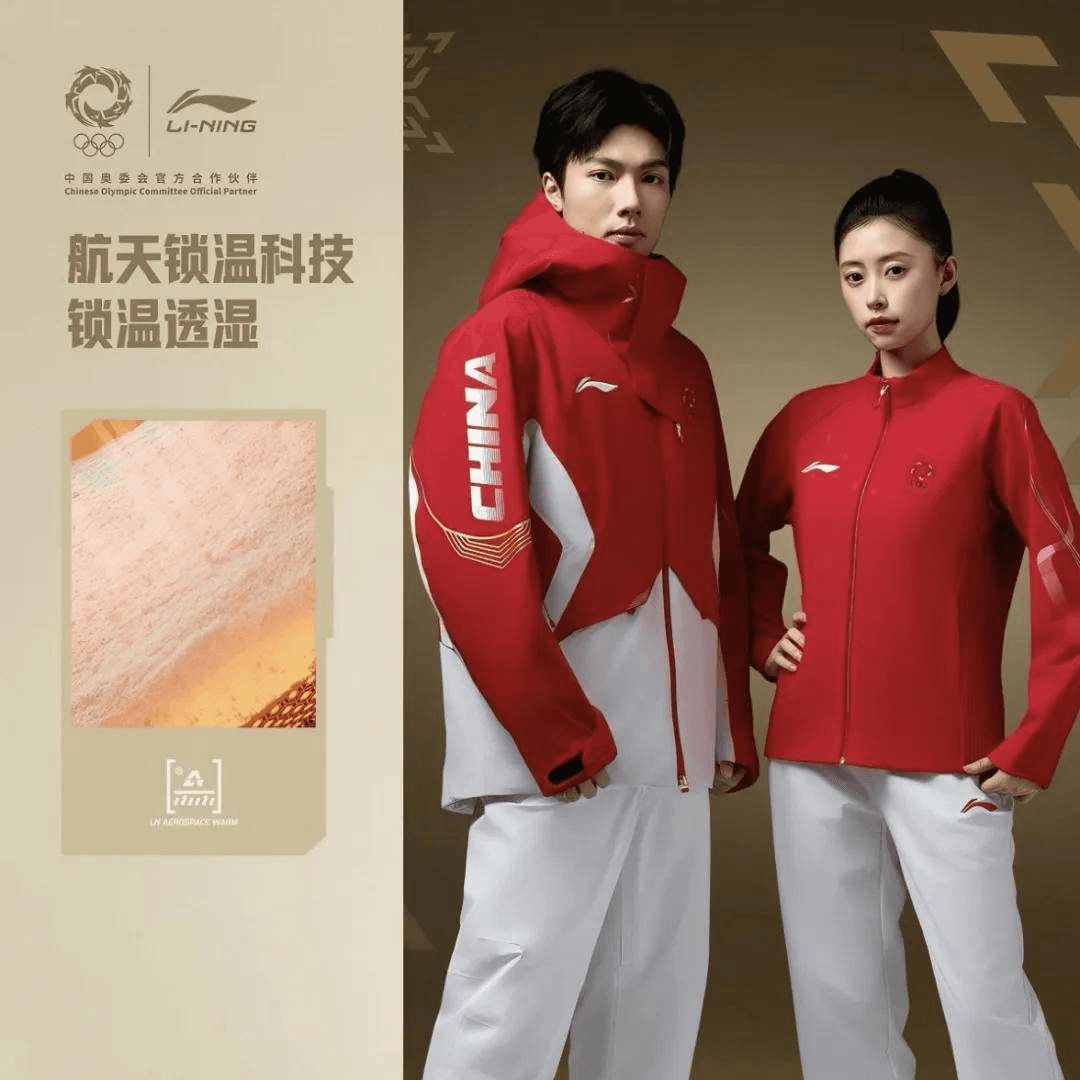
One media person who collaborated with Li-Ning on the campaign put it plainly: Li-Ning's marketing materials were "chaotic and poorly organized." They compared it to Wilson - which is under Amer Sports (partly owned by Anta) - where the briefs were clear, structured, and gave creators something to actually work with.
A fashion blogger named Tomous turned down the partnership entirely. Her reason: "That outfit doesn't match my usual sporty OOTD style, and it looks hard to photograph well. Li-Ning has strict requirements on final content details but then doesn't require scene-setting or creativity. Honestly, this kind of ad would damage my account value... and I genuinely don't like a cotton jacket priced at ¥3,999."
Read that again. A blogger said your product would damage her account.
And then there were the water army comments - fake engagement flooding the sections with "must buy!" and "adding to cart!" messages. The comment sections looked alive. The sales data told a different story. When your real numbers can be disproved by basic Taobao order counts, the fake engagement isn't just useless... it makes the failure visible.
The Athletes Weren't Even Wearing Li-Ning
Here's where it gets uncomfortable.
Gu Ailing - Eileen Gu - wore Anta on the slopes. Anta is her personal sponsor. She changed into Li-Ning for the medal ceremony because the Chinese Olympic Committee requires it.
Su Yiming wore Adidas in competition. Li-Ning on the podium.
Li-Ning was paying for podium moments with athletes who chose competitor brands the moment they had a choice. The "athlete same-style" pitch that all those indoor KOL videos were pushing? The athletes themselves weren't buying it.
A ski instructor in Urumqi said it straight: "Many people avoid wearing so-called 'champion same-style' sports equipment. Wearing an Olympic podium outfit to the ski slope when you're just an amateur... wouldn't that be embarrassing?"
That's your real consumer. Not aspirational. Skeptical.
The Culture Play Backfired, Too
Li-Ning used a traditional Chinese pattern called Fangsheng Wen (方胜纹) in the outfit design. Clean cultural reference, strong storytelling potential. But then they renamed it "Shuangsheng Wen" (双胜纹, "Double Victory Pattern") for marketing.
The original Fangsheng pattern symbolizes harmony and connection. Li-Ning repackaged it as a competitive "winning" symbol. Critics accused them of distorting cultural heritage for brand convenience.
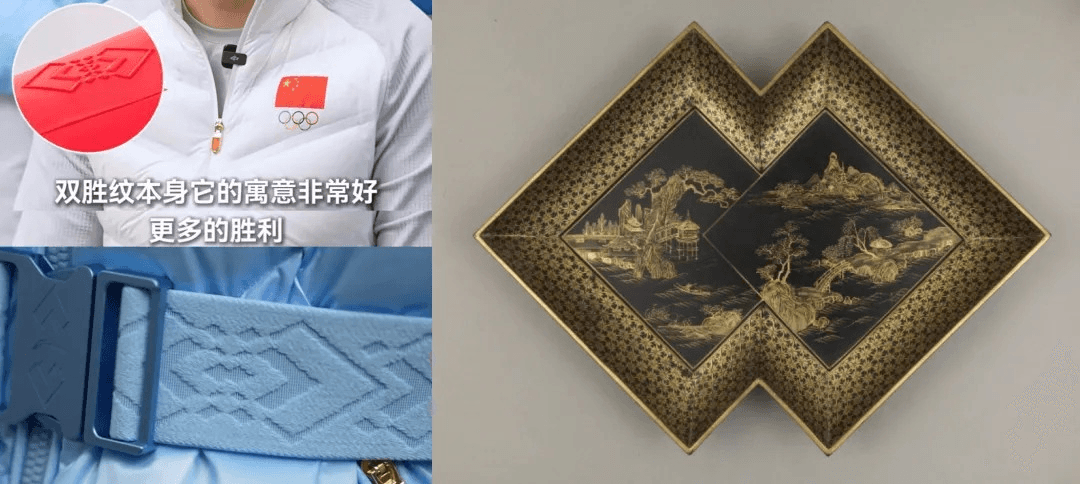
This matters because the Guo Chao (国潮) wave - the Chinese cultural pride movement that made domestic brands like Li-Ning cool in the first place - is built on authenticity. Chinese consumers who embraced Guo Chao did it because domestic brands felt genuinely Chinese, not because they slapped a traditional pattern on something and renamed it for marketing purposes.
Cutting corners on the culture story, with a consumer base that knows the culture... is a bad move.
What YOU Should Take From This
Li-Ning's failure isn't really about Li-Ning. It's a warning sign for any brand that confuses event prestige with actual consumer connection. Here's the checklist:
Prestige doesn't equal relevance. An Olympic sponsorship puts your logo in front of people. It doesn't make your product something they want to wear to the mountain on Saturday.
KOL spend without creative freedom is just noise. Scripted indoor videos with identical talking points across 30 bloggers don't build trust. They build skepticism. Give creators room to actually live in the product.
Bubble traffic is not traction. A one-day social spike followed by flat data is not a win. Before you write the campaign brief, define what sustained engagement looks like - not just launch-day impressions.
Watch for fake engagement signals early. Water army comments are easy to spot when you look at order data. If your comment sections are full of "must buy!" and your conversion is 16 units, someone is papering over a problem.
Your cultural story needs to be real. Renaming a traditional pattern to fit your marketing angle is the kind of move that gets noticed. Chinese consumers who care about Guo Chao care enough to know when they're being sold a shortcut.
The spokesperson's real choices tell the real story. If your brand ambassador is wearing a competitor's product every time they have a choice, that's not a messaging problem. That's a product problem.
The Olympics gave Li-Ning a stage. They showed up with the wrong script, the wrong product story, and a comment section full of fake applause.
Sixteen people bought the outfits. The rest of China just watched.

