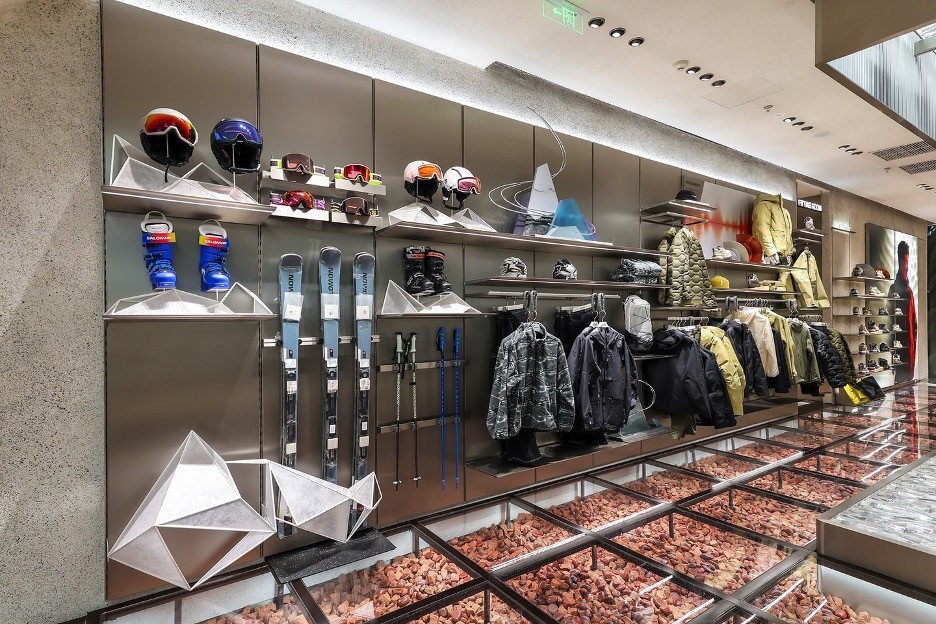
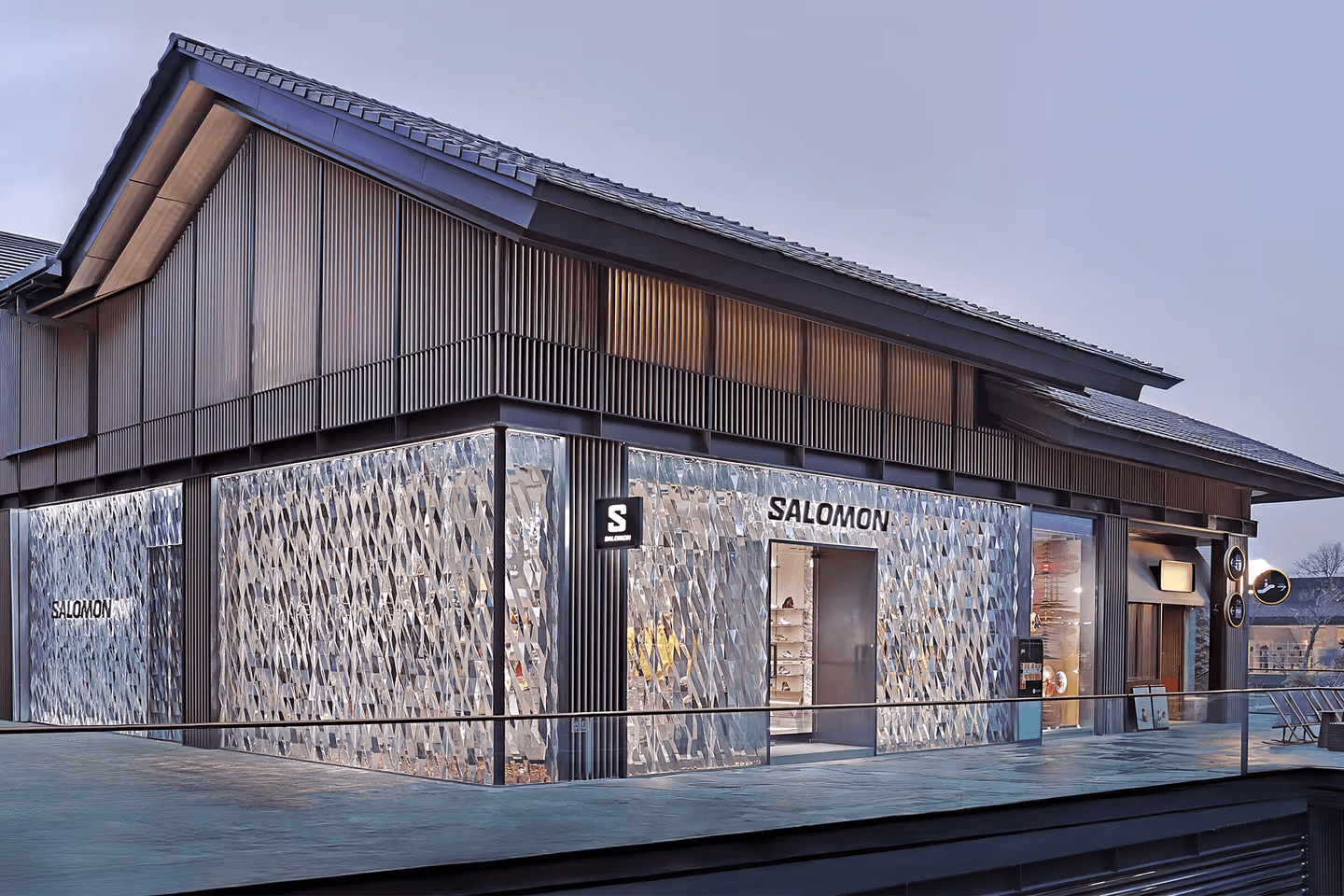
On December 25, 2025, Salomon opened its first global Ski & Trail Running flagship store in Chengdu’s Taikoo Li. It looked bold, even risky. At a time when camping and hiking still dominate outdoor sales, Salomon chose to double down on two of the most demanding, least accessible outdoor disciplines. And it wasn’t alone. Brands like Kailas have been making similar moves, shifting focus toward skiing, climbing, and trail running. On the surface, it feels like a strange choice. Why narrow your audience when the market is already crowded? Why move away from mass appeal just when outdoor lifestyles have gone mainstream?
The answer is that the mainstream is exactly the problem.
China’s outdoor market has already lived through its expansion phase. After years of double-digit growth starting around 2015, the industry entered a plateau. Camping and light hiking exploded again in 2021, pulling the whole sector into a new boom cycle. But by 2024, growth slowed sharply. The easy gains were gone. Camping gear became interchangeable. Price wars replaced storytelling. The mass outdoor category started to feel crowded, noisy, and oddly boring.
At the same time, new competitors flooded the entry level. Uniqlo’s lightweight outdoor lines absorbed first-time consumers with unbeatable price-performance. Brands like Beneunder carved out massive demand through single-function narratives like sun protection. The result was a hollowing out of the middle. For professional outdoor brands, staying in the mass lane began to look less like strategy and more like slow erosion.
As the broad market flattened, something else started happening quietly underneath. Consumers didn’t leave outdoor sports. They went deeper. A portion of casual campers became trail runners. Weekend hikers became climbers. Seasonal skiers turned into gear obsessives. According to official data, more than 400 million people now participate in outdoor sports in China. A meaningful share of them are no longer satisfied with “good enough.” They want equipment built for specific terrain, specific weather, specific risk.
This shift is especially visible among younger consumers. The core outdoor audience now sits between 25 and 34 years old, generally well-educated, and increasingly expressive. For them, outdoor gear isn’t just functional. It’s identity. A pair of trail running shoes or a technical ski jacket has to work on the mountain and photograph well on social media. Performance and signaling travel together.
Women are accelerating this change. In top-tier cities, women account for more than 70% of light outdoor participation, reshaping demand in subtle but powerful ways. Function alone isn’t enough. Fit, color, silhouette, and versatility matter. Climbing pants need to look good off the wall. Ski gear has to move easily between slopes and cafés. Niche sports are no longer just niche experiences. They’re aesthetic systems.
Policy tailwinds have only strengthened this direction. In recent years, outdoor infrastructure has become a national development priority. Provinces are investing heavily in ski resorts, climbing gyms, and trail race routes. Government policy has effectively lowered participation barriers for sports that were once considered elite or inaccessible. When infrastructure appears, demand follows.
Still, betting on niche sports isn’t easy. The first challenge is education. Skiing and climbing have steep learning curves. Consumers don’t instinctively understand what equipment they need or why it matters. Brands have to invest in content, experiences, and offline activation just to build basic literacy. That takes time, money, and patience.
The second challenge is technology. These sports are unforgiving. Ski gear has to manage cold, glare, weight, and safety simultaneously. Climbing equipment demands extreme durability and precision. Trail running apparel has to balance insulation, breathability, and moisture control under constant motion. Solving these problems requires long R&D cycles and sustained iteration. It’s not an arena for fast fashion thinking.
The third challenge is supply chain complexity. Niche demand doesn’t scale easily. Smaller volumes mean weaker bargaining power with suppliers. Many critical materials, from high-grip climbing rubber to anti-fog ski lenses, still rely on overseas sourcing. That raises costs and risk at the same time.
And yet, this is exactly why brands are moving in.
Because where barriers are high, differentiation lasts longer.
Brands that succeed in niche sports don’t just sell products. They build communities. They organize races, sponsor athletes, run training camps, and embed themselves into subcultures. Kailas has spent years running city climbing leagues. Salomon hosts nationwide trail running camps. These aren’t marketing stunts. They’re slow, expensive ways of earning trust.
Once that trust exists, it travels. A jacket proven on a mountain doesn’t feel fragile in a city. Trail running shoes designed for races become streetwear icons. Salomon’s XT-6 didn’t become popular because it was fashionable. It became fashionable because it was real first. Function came before trend, and that sequence matters.
This is how niche breaks outward. Not by abandoning professionalism, but by extending it into daily life. Ski jackets become windproof commuters. Trail running packs double as urban carry. Performance stays intact, but context expands.
What looks like a narrowing of business is actually a sharpening of focus.
Mass outdoor is crowded because it’s easy to enter. Niche outdoor stays defensible because it’s hard to fake. Brands choosing skiing, climbing, and trail running aren’t shrinking their ambitions. They’re choosing a slower path to stronger relevance.
In the long run, the brands that win won’t be the ones with the widest audience, but the ones who solve the deepest problems. Niche sports don’t reward shortcuts. They reward commitment. And in a market where sameness has become the real risk, that commitment may be the smartest growth strategy of all.

