Is Miu Miu the Only Luxury Brand That Actually "Gets" China Right Now?
Let’s be real: the luxury world is having a bit of a mid-life crisis. With the global market slowing down to a modest 3–5% growth, most brands are playing it safe. But then there’s Miu Miu.
After a mind-blowing 93% growth in 2024, they’ve spent the last nine quarters living rent-free at the top of the Lyst Index. In 2025/2026, they are still sprinting with a 41% increase in sales.
This isn’t just a trend; it’s a structural siege of the Chinese market. Here is the breakdown of the "Miu Miu Phenomenon" and why it’s a masterclass for any brand eyeing China.
1. They Aren't Just Selling Clothes; They're Building a "Cult" (The Good Kind)
Most brands treat "community" as a buzzword. Miu Miu treats it as a religion. Instead of massive, impersonal runway shows in China, they’ve kept things intimate. From "Miu Miu Holiday Clubs" to "Atheneum" pop-ups, they focus on interaction rather than just visibility.
The Lesson: In China, mass-reach is easy, but cultural resonance is hard. Stop trying to talk to everyone; start talking to your people.
2. Cultural Storytelling Over Pandering
Miu Miu’s latest Lunar New Year film, An Encounter as Scheduled (如期而遇), isn't your typical "throw some red on a bag and call it a day" vibe. Directed by Gu You and starring Lexie Liu and Zhao Jinmai, it’s set in the Gongwang Art Museum. It blends the urban and the rural, the dreamy and the practical.
The Vibe: It feels like a high-art indie film, not a commercial.
The Result: It respects the Chinese audience’s intelligence instead of pandering to stereotypes.
Miu Miu's Lunar New Year 2026 Campaign This video showcases Miu Miu's "The Encounter" campaign, illustrating their shift toward high-art storytelling and cultural depth which is a core component of their 2026 success strategy in China.

Identity Engineering: The "Rich Heiress" (富家千金) Archetype
Miu Miu engineered a specific psychological profile that resonated with Chinese Gen Z.
The Persona: She is educated, rebellious, and refined. She doesn't care about "practicality" or "resale value."
The "Everything is Miu" Effect: On Xiaohongshu (RED), the hashtag #万物皆可Miu (Everything can be Miu-ified) exploded. It taught consumers that Miu Miu is a lens to see the world, not just a label.
The "Price of Impracticality": By selling viral, overtly "useless" items - like $5,000 embellished silk panties or $3,000 rhinestone hair clips - they signaled a level of wealth that doesn't need to justify its purchases. In China, this "logic-defying" luxury became a status symbol of its own.
4. They Converted Hype into "Cash Cows"
Miu Miu solved the "Luxury Trap" where a brand is famous for a dress but makes no money.
The Basic-to-Luxury Pipeline: They turned the "Tank Top" and the "Cardigan" into cult items. By making basics "viral," they created an entry point for middle-class consumers.
The Handbag Pivot: They aggressively pushed the Wander and Arcadie bags. In the 2026 CNY collection, they introduced "aged leather" and "suede" textures - materials that feel "old money" and durable.
Control over Value: By reducing wholesale distribution and moving toward a 100% retail model, they ensured their bags never went on sale. This "pricing integrity" is the only reason they outran the luxury slump.
The Insight: Hype gets them in the door; a solid "IT bag" strategy keeps the lights on.
5. Retailization: The "Wuhan vs. Shanghai" Playbook
Miu Miu’s physical expansion in China is a masterclass in footprint strategy.
The Wuhan SKP Flagship (April 2025): While brands were closing stores, Miu Miu opened a 480sqm, three-story "Home Concept" flagship in Wuhan.
Why Wuhan? It is the gateway to Central China.
The Layout: The first two floors are "access points" (bags/shoes), while the third floor is a private VIP salon. This ensures that even in a "new" luxury hub, the brand maintains an aura of extreme exclusivity.
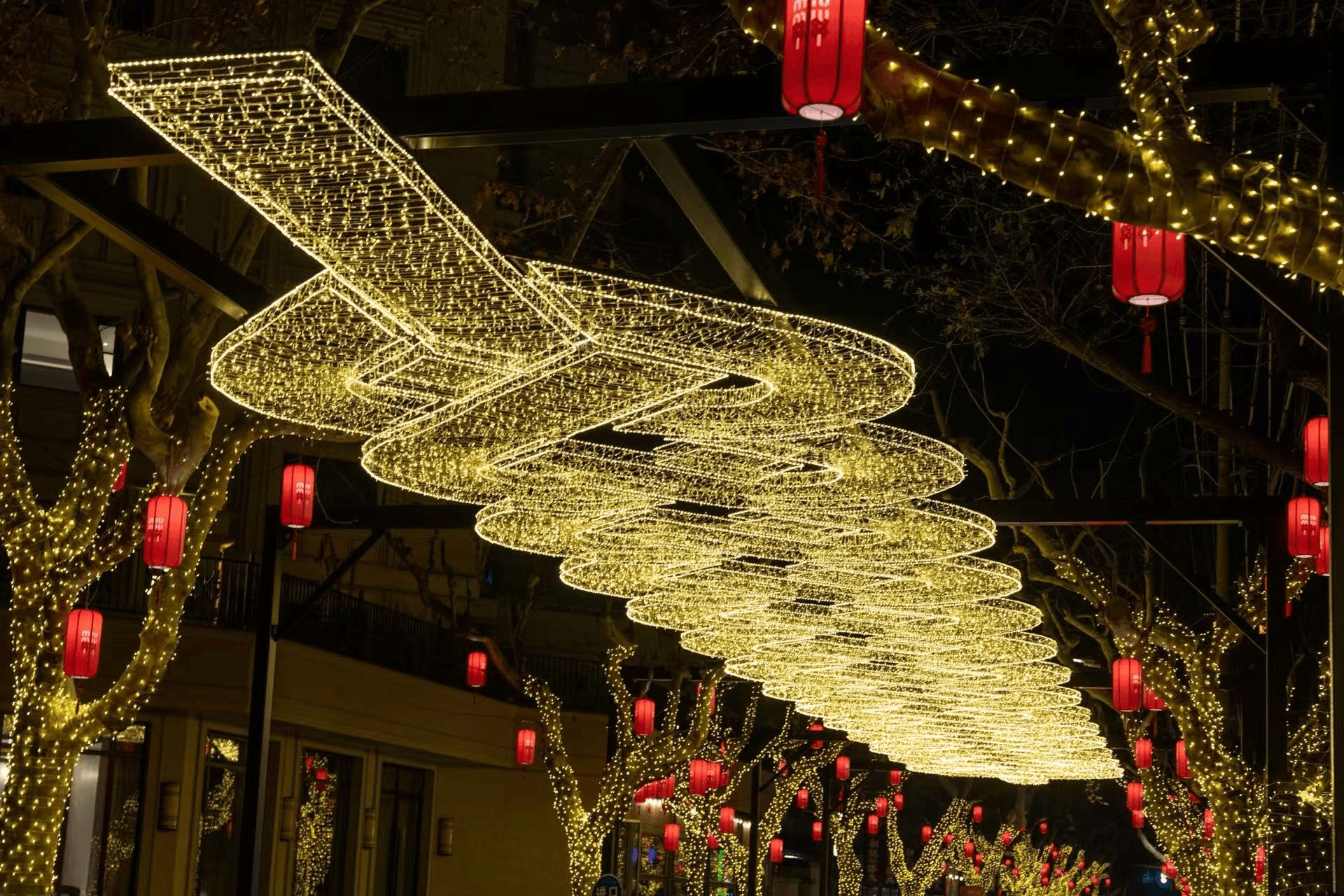
The Shanghai "Brand Corridor": Miu Miu recently took over Shanghai’s Donghu Road with an immersive experience. Why? Because Donghu Road is the epicenter of Shanghai’s "cool kid" street culture.
By linking the Donghu Road pop-ups with the iapm Mall flagship, Miu Miu captured the "City Walk" trend. They turned a walk to the mall into a curated cultural experience, making the brand feel like part of the neighborhood’s DNA rather than an intruder.
6. The Multi-Ambassador "Matrix" Strategy
Most brands bet on one "Mega-Star." Miu Miu used a Matrix.
Ambassador Type | Example | Strategic Role |
The Relatable Gen Z | Zhao Jinmai | Connects with the "student/young professional" aspirational crowd. |
The Edgy Experimentalist | Lexie Liu | Bridges the gap between high fashion and the underground music scene. |
The "Quiet" Intellect | Liu Haocun | Appeals to the "preppy/intellectual" aesthetic trending in Tier-1 cities. |
They aren't just faces; they are "Miu Miu Girls" in real life. By using a matrix, Miu Miu effectively "segmented" the market by persona. They didn't just have one face; they had a face for every subculture within the Gen Z demographic
7. It’s "Ugly-Chic" with a Business Brain
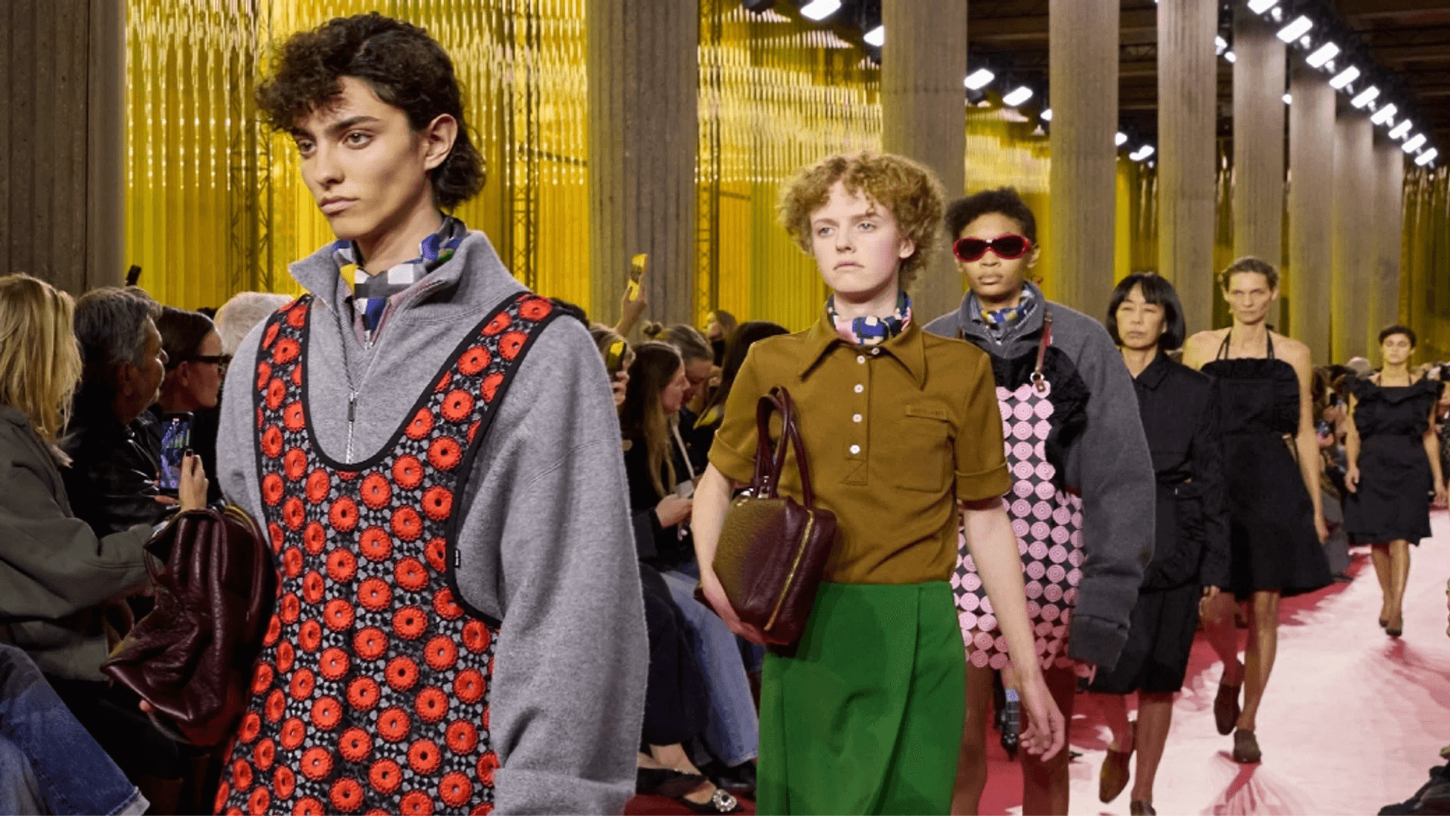
The "Miu Miu look" - messy hair, layered cardigans, glasses, and "wrong" proportions - is an attitude of independence. In a Chinese market that is increasingly moving away from "showing off wealth" and toward "showing off personality," Miu Miu’s "independent attitude" is exactly what Gen Z is craving.
Why Brands Should Care: The 2026 "Vibe Shift"
If you’re watching the Chinese market, you need to realize the old playbook is dead.
The Demographic Divorce: While middle-income consumers are tightening their belts, the "Unconventional Gen Z" is still spending… but they are selective. Miu Miu won by choosing this niche over the mass market.
The Death of the "Status Logo": Luxury is now a storytelling vehicle. If you aren't providing an intellectual or emotional "hook," you are just a commodity.
Desirability > Macroeconomics: Miu Miu proved that even in a cooling economy, people will find the money for a brand that makes them feel like the "Main Character" of their own life.
The "Miu Miu Blueprint" Takeaways
Stop Pandering: Move away from festive clichés. Chinese consumers favor artistic depth and localized authenticity.
Embrace the "Impractical": Launch "Halo Products" that anchor your brand's dream factor, even if they aren't your top sellers.
Build a Recurring IP: Don't just do a "campaign." Create a recurring cultural event (like Miu Miu’s New Year films) that builds mental equity year after year.
Community over Reach: Focus on the "City Walkers" and the "Red-Bookers." If the cool kids in Shanghai and Chengdu are talking about you, the rest of China will follow.
Miu Miu is winning because they realized that in 2026, authenticity is the only currency that doesn't devalue. They stayed true to their "ugly-chic" DNA while translating it perfectly into the Chinese cultural context.

