The "Sanlitun Shock": Why Nike Just Killed Its Most Iconic Flagship
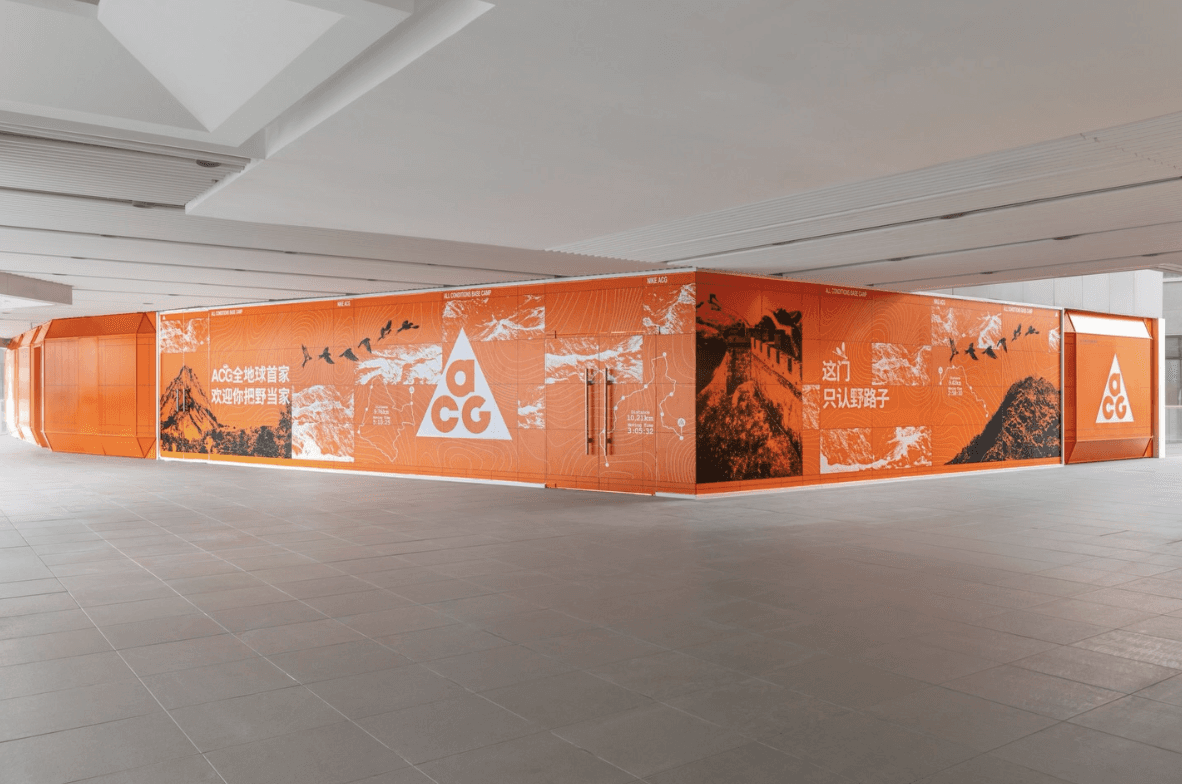
The legendary Nike flagship in Beijing (the first-ever in Mainland China) has been gutted and rebranded. In its place? The world’s first standalone Nike ACG (All Conditions Gear) store. This signals that Nike is no longer treating ACG as a "cool sub-label" for streetwear kids - it’s now a frontline combatant in their "Sport Offense" strategy.
Why the sudden pivot?
The "Win Now" Reality: CEO Elliott Hill’s plan isn't a suggestion; it’s a survival tactic. After Nike’s Greater China revenue plummeted 17% in late 2025, the brand scrapped the vague "lifestyle" fluff for a more aggressive "Sport Offense."
The 400 Million Club: China’s outdoor participants have officially crossed the 400 million mark. From the peaks of Yunnan to the trails of Chongli, "outdoor" is no longer a hobby - it’s a national identity.
A Leadership Shakeup: In a shock announcement this week, Nike confirmed that Angela Dong (who was concurrently the Global CEO of ACG) will depart on March 31, 2026, passing the torch to 25-year veteran Cathy Sparks. The mission? Rebuild trust in a market where Nike has become "too lifestyle and too slow."
Case Study: Killing "Gorpcore" to Save the Soul
To reclaim the soul of the ACG brand, Nike is moving away from aesthetic-driven design toward elite technical innovation. The 2026 product strategy is anchored by pieces that prioritize functional survival on the mountain over visual symbolism on social media.
Performance Over "The Gram"
Nike is moving away from retro-cool and toward elite tech. Look at the Jan 1, 2026 global launch of the Lava Loft Jacket:
The Tech: Uses the "Atlas" body mapping system to place AeroLoft perforations (0.7mm to 2cm) exactly where a runner sweats.
The Result: A 10-ounce (283g) 700-fill down jacket that fits in your palm but keeps you warm at 0 degrees.
The Insight: Nike realized that in 2026, Chinese consumers are product-driven, not brand-driven. If a jacket doesn't vent moisture on a 10km trail, it’s just a "fashion victim."
The "Super Shoe" for the Dirt
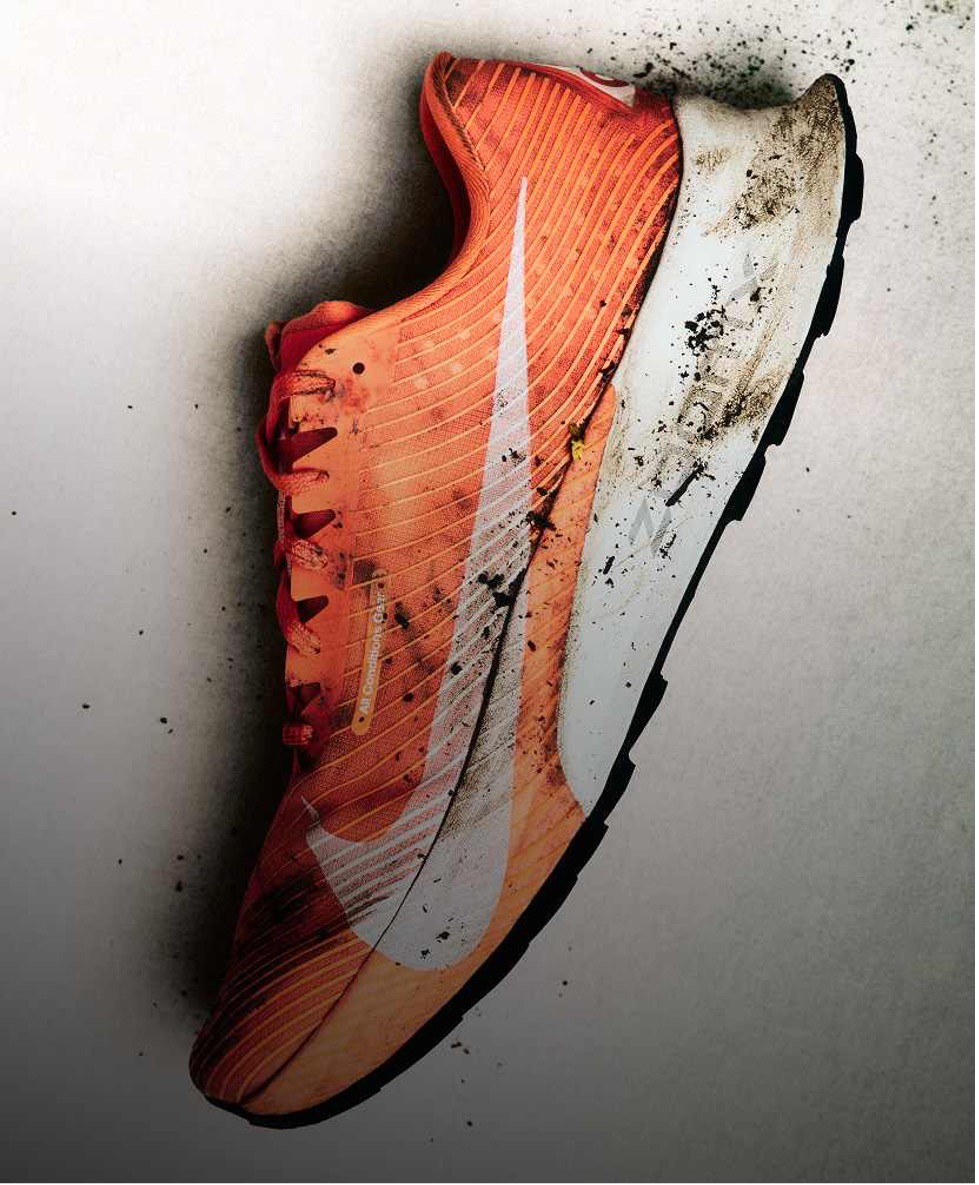
To combat the meteoric rise of HOKA and Salomon, Nike launched the ACG Ultrafly.
Testing: 13 rounds of prototypes and over 30,000 miles of testing.
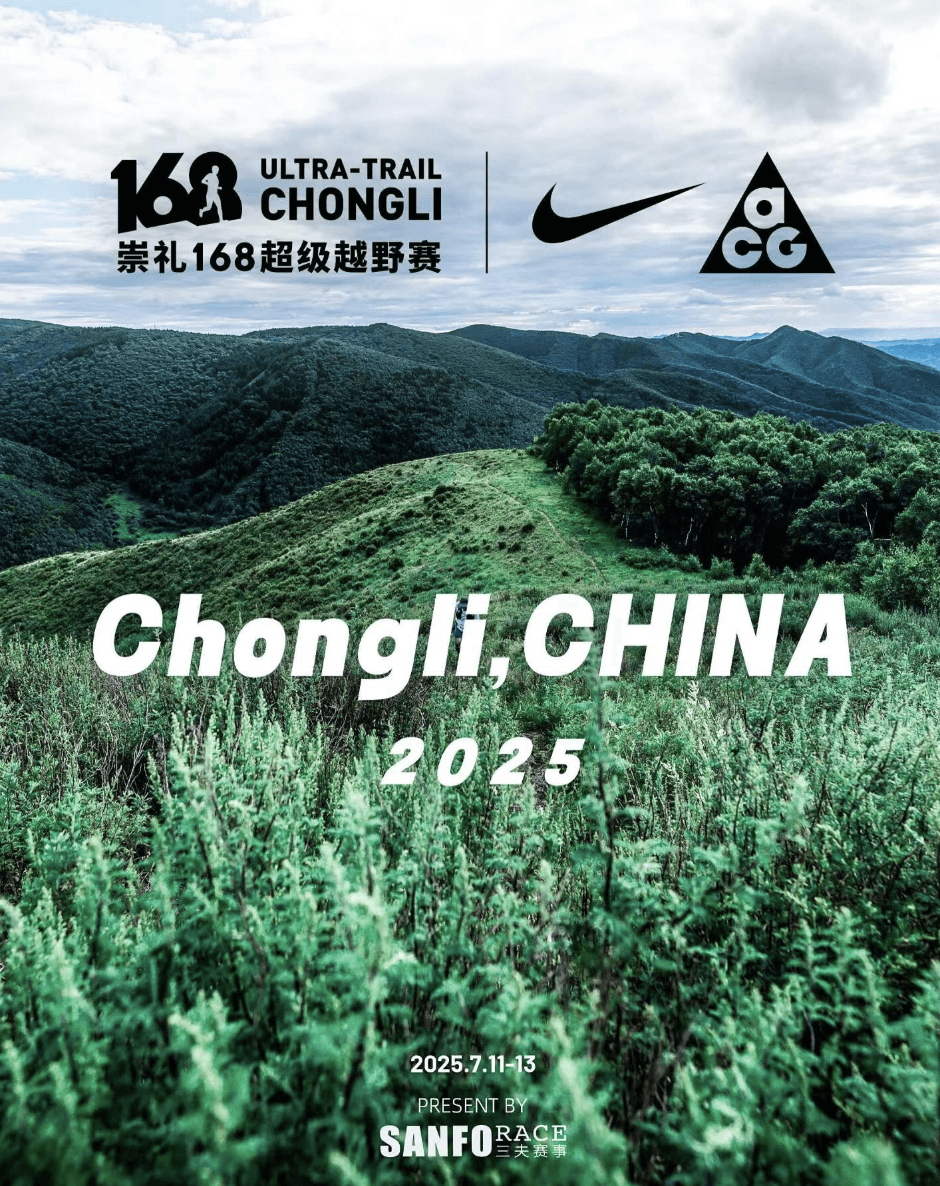
Strategy: By sponsoring major events like the Chongli 168, Nike is positioning shoes like the ACG Ultrafly as the elite choice for the 2024-2026 trail running boom.
The "Base Camp" Retail Paradigm: Sanlitun as a Manifesto
The world’s first standalone ACG store in Beijing, dubbed the 'ACG Base Camp', serves as a "physical manifesto" of the brand's new spirit. This location marks ACG’s official departure from being an appendage of main-brand specialty stores to becoming a standalone authority in the outdoor space. Located in the high-traffic Taikoo Li Sanlitun district, the Base Camp is designed to foster a professional community and a closed-loop service system.
This retail shift is a response to the "Middle Market" battleground. ACG now sits perfectly between "Affordable Local" players like Li-Ning and "Luxury Outdoor" brands like Arc'teryx. By offering high-performance technical gear in a premium retail environment, Nike aims to capture the segment of the middle class that demands elite functionality without the luxury price point.
The 2026 "Survival Test": Can They Actually Win?
The industry experts are watching two key "Success Pillars" for Nike through September 2026:
Metric | The Goal | Why it Matters |
Race Presence | Can ACG hit the Top 3 most-worn brands at the UTMB China积分赛? | If the pros don't wear it, the "Hobbyists" won't buy it. |
Inventory Speed | Can we have Ultrafly and Zegama 2 sell-out cycles of under 7 days to prove organic hype? | Proves demand is higher than the "Air Force 1" fatigue. |
Store Efficiency | Can the Sanlitun store achieve 80% of the efficiency (per square foot) of a local HOKA or Salomon flagship? | Standalone stores are expensive; they need to pay off. |
The "Nike ACG" Playbook
If you’re a brand watching this 2026 pivot, here’s how you can steal the move:
Own the "Dual-Scene": In 2026, consumers want gear that bridges the gap. ACG’s "Dual-Scene Vitality" means a jacket that works on a 10km trail and looks sharp in a Beijing office. Design for the "and," not the "or."
Community > Campaigns: Nike didn't just buy ads; they bought into the Chongli 168 and formed the "All Conditions Racing Department" with 22 elite athletes. If you want to win a niche (like trail running), you must support the community's infrastructure.
The "Middle Market" is a Battleground: ACG sits perfectly between "Affordable Local" (Li-Ning) and "Luxury Outdoor" (Arc'teryx). Finding that 1,800 RMB "sweet spot" for a technical shell is key to capturing the "Professional Middle Class."
Adapt or Die at HQ: Nike making their China head the Global CEO (even if temporarily) was a masterclass in regional empowerment. Stop managing China from a headquarters 6,000 miles away.
The "Sanlitun Shock" marks the definitive end of Nike’s era as a primarily lifestyle-oriented brand in Greater China. By rebranding its most iconic flagship as a dedicated ACG Base Camp, the organization has committed to a "Sport Offense" that prioritizes technical performance, athlete-driven innovation, and regional relevance. While the financial challenges of 2025 were severe, the "Win Now" actions and the leadership of Cathy Sparks aim to capitalize on China’s 400-million-strong outdoor market. The success of this pivot will be decided on the mountain trails and the retail floors of 2026, as Nike attempts to prove that it can still survive and dominate in all conditions.

